




Menopause
Everything you need to know about hot flashes and nausea


About 75 per cent of women experience hot flashes but many questions remain unanswered about the nausea that comes with it. Can hot flashes cause nausea? How? What to do?
A hot flash is a sudden feeling of warmth in the upper body, which is usually most intense over the face, neck and chest.
Hot flashes are the most common of an array of indicators of menopause and perimenopause called vasomotor symptoms.
They start when blood vessels near the skin’s surface widen to cool off, making you break out in a sweat. Some women have a rapid heart rate or chills too.
Can hot flashes cause nausea?
Yes, they can.
Hot flashes that occur at night can cause drenching night swears and, sometimes, they may be so strong that they can make the individual feel nauseous.
Other symptoms of hot flashes include headaches and migraines which may also cause nausea.
A menopausal woman can feel nauseous before, during or after a hot flash.
What causes nausea?
Suddenly feeling hot and nauseous with a hot flash is believed to be due to abrupt changes in serotonin, which can stimulate the area postrema, a part of the brain that controls nausea and vomiting.
Area postrema is located right next to the hypothalamus – the part of the brain that regulates temperatures. Due to hormonal fluctuations, the hypothalamus incorrectly detects that the body is overheating, and heat loss mechanisms are triggers, provoking a hot flash.
Nausea can also be caused by a sudden dip in blood pressure, by pressure on the liver or by blood sugar levels.
How to prevent nausea?
Treatments for nausea and hot flashes may involve a combination of lifestyle or dietary changes, along with prescription medications to help address the underlying causes.
A dietary change is one of the main lifestyle changes needed to reduce the risk of nausea during menopause. Menopausal women may want to avoid or decrease the consumption of alcohol, spicy foods, hot foods, hot beverages and caffeinated drinks.
Exercise, not smoking and reduced stress are also part of these lifestyle changes.
If the symptoms do not improve with lifestyle changes after three months, a doctor may recommend medications. These include HRT, oral contraceptive and selective serotonin reuptake inhibitors (SSRIs), a type of antidepressants.
To receive the Femtech World newsletter, sign up here.










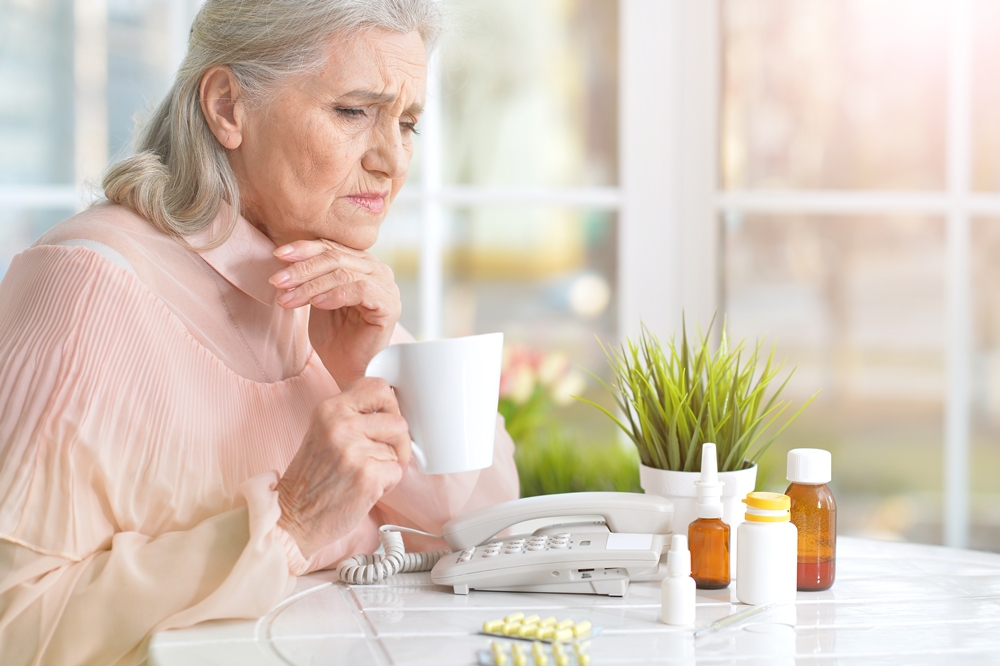
Many menopause supplements contain ingredients with limited evidence for symptom relief, while formulations and prices vary widely, a study has found.
Researchers analysed 201 products sold by nine major UK retailers, comparing their ingredients, doses and monthly costs.
Prices ranged from £1.50 to £95 a month, while no single ingredient or category of ingredient was common across all products.

The study, carried out by University College London, found that 80 per cent of products contained herbs, 77 per cent contained vitamins and 74 per cent contained phytoestrogens, naturally occurring plant compounds found in foods including soy and flaxseed.
Vitamin B6 was the most common vitamin, while red clover and sage were the most frequently identified plant ingredients.
Researchers said more evidence was needed on the effectiveness and safety of supplements marketed for menopause symptoms.
Professor Joyce Harper, senior author of the study and professor of reproductive science at University College London, said: “The menopause supplement market is growing rapidly, despite limited scientific evidence that many of these products improve menopause symptoms.
“Some social media influencers promote these products as effective solutions, despite many claims not being supported by scientific evidence.
“This can contribute to the spread of misinformation and help drive a rapidly growing menopause supplement market, leading some women to spend substantial amounts of money on supplements in the hope of improving their symptoms and overall wellbeing.”
Half of the supplements did not contain vitamin D, while less than 24 per cent contained calcium.
The British Menopause Society and International Menopause Society have highlighted vitamin D and calcium as important for maintaining bone health and preventing osteoporosis after menopause.
Researchers also identified botanical ingredients that may carry risks, including black cohosh.
Poppy Sullivan, first author of the study, said: “Certain botanical ingredients in some menopause supplements may also have risks.
“Black cohosh, in particular, is known to carry a potential risk of liver toxicity.”
The amounts of vitamins and minerals included in different products also varied widely.
Sullivan said: “Some nutrients can have adverse effects when consumed in excess over time.
“For example, excessive vitamin D intake can theoretically lead to high calcium levels, which could cause adverse effects such as vomiting and confusion.”
The study found little empirical evidence supporting the effectiveness of even the most expensive products.
Researchers called for more high-quality research, including clinical trials, to determine whether menopause supplement ingredients are effective and safe.
They said the findings could also help healthcare professionals understand the wide variation in supplement formulations.
The researchers acknowledged that the analysis may not have included every menopause supplement available in the UK.


Gail’s has unveiled a menopause action plan offering new workplace support to thousands of staff ahead of legal reforms due in 2027.
The high street bakery chain will offer new benefits including 24/7 digital GP access and a new employee assistance programme, according to The Times.
It will also explore new online training for staff, including specific training for management.
Gail’s people director Miranda Burgum told The Times: “All we’re trying to do is talk freely and for it not to be a forbidden subject. It’s helping our managers and teams understand that this isn’t a taboo.”
“We’re going to develop the education with our managers, so it will be threaded through all our policies
“It will look at induction training, it will look at the types of people we need to make sure that we make reasonable adjustments for.
“And if somebody needs some sort of risk assessment, we’re going to be looking at [that].”
The move comes ahead of reforms due to be introduced in spring 2027 under the Employment Rights Act.
UK employers with 250 or more employees will be legally required to publish and update official menopause action plans.
The plans are intended to support employers to take effective action to improve workplace gender equality and support employees experiencing menopause.

Menopause is often absent from women’s electronic health records, a study of nearly 396,000 women has found.
Researchers found menopause appeared almost seven times more often in participant surveys than in electronic health records (EHRs).
The findings suggest important reproductive health information, including age at menopause, may often be missing from health records used for research.
Audrey Hendricks, associate professor of bioinformatics at CU Anschutz and the study’s principal investigator, said: “Ultimately, we cannot study what we do not measure. We cannot treat what we do not know.
“Menopause has enormous implications for women’s health, but if we don’t consistently capture when menopause occurs and other important reproductive health information, we limit our ability to understand how this transition affects disease risk and health outcomes.”
Researchers at the University of Colorado Anschutz analysed data from women taking part in the National Institutes of Health’s All of Us Research Program.
They compared menopause information reported by participants in surveys with menopause diagnoses recorded in their electronic health records.
Around 193,000 menopause observations were identified in survey data, compared with approximately 28,000 diagnoses in EHR data.
Menopause was documented in electronic health records for only about 7 per cent of women in the dataset.
Nearly all participants with a menopause diagnosis recorded in their EHR also reported menopause in survey data. However, substantially fewer women had menopause documented in their health records.
Other important information was also frequently unavailable, including age at menopause, which researchers may use when examining links between menopause and chronic disease risk.
Menopause is a physiological transition that can affect cardiometabolic health and many other aspects of women’s health.
Researchers said relatively little is known about how factors including the timing and type of menopause influence health outcomes across diverse populations.
Large-scale programmes such as All of Us combine participant surveys, electronic health records and genomic data, but menopause-related research depends on relevant reproductive health information being available.
Missing menopause information can make it harder to investigate how the transition relates to health and disease.
The findings may also help researchers using All of Us data define menopause-related study populations, design studies and estimate how many participants are needed.
Hendricks said: “We have an enormous opportunity to use large-scale datasets to understand women’s health across the menopause transition and to identify who may be at greater risk for disease.
“But we need to make sure that the information researchers need is actually being collected.
“We must do a better job of capturing women’s health information, including reproductive health and measures related to menopause.”
Researchers said more complete and consistent collection of menopause and reproductive health information could help future studies examine factors such as age at menopause and their relationship with disease risk and health outcomes.









 Entrepreneur2 weeks ago
KOVE Medical raises €1.7 million to improve safety of foetal surgery

 Pregnancy2 weeks ago
UK study aims to transform maternity care for high-risk pregnancies

 Fertility3 days ago
Paracetamol use may impact future fertility, studies suggest

 Entrepreneur6 days ago
Last chance to save on Women’s Health Week and Women’s Sport Summit: Early Bird pricing ends 11 September

 Menopause1 week ago
Menopause hormone treatment may ease brain fog, study suggests

 Menopause5 days ago
Cancer drug could tackle osteoporosis menopause weight gain

 Menopause2 weeks ago
Spanish agency criticised for menopause guidelines based on male studies

 Fertility2 weeks ago
NHS IVF access review launched in Scotland
Pingback: 7 Natural Menopause Treatments That Really Work - An TV News
Pingback: 7 Natural Menopause Treatments That Really Work: Effective Remedies - An TV News