




Menopause

ADHD medications may improve self-reported menopause brain fog, new research suggests. The findings suggest that medicines used to treat ADHD could help women experiencing difficulties with concentration, memory and organisation during the menopause transition. However, the evidence is preliminary. Researchers say larger studies are needed to establish whether these medications are safe and effective for [...]

A new study suggests AI and VR could improve access to menopause therapy, although it has not shown whether the technology reduces symptoms. The multicentre study explored using artificial intelligence (AI) and virtual reality (VR) to deliver cognitive behavioural therapy (CBT) and other non-drug treatments for menopause symptoms. Researchers recruited women aged 45 to 60 [...]
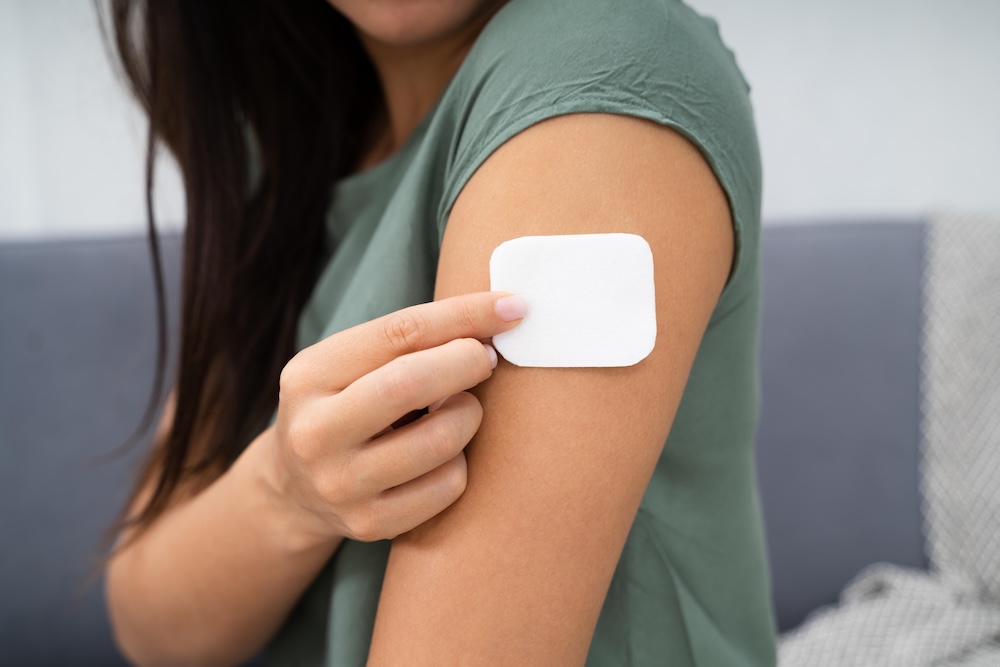
Women have been warned against self-medicating as HRT shortages affect supplies of two menopause treatment patch brands across the UK. Northern Ireland's Department of Health has confirmed ongoing supply problems affecting Estradot transdermal patches and a more recent disruption involving FemSeven Conti patches, both used to manage menopause symptoms. The disruptions have been linked to [...]

Menopause symptoms may leave women leaders feeling depleted, but they can also become more empathetic towards colleagues, new research suggests. Researchers surveyed 341 full-time women in leadership positions who were experiencing menopausal symptoms. Participants reported hot flushes, sleep disruption, psychological changes and cognitive difficulties, including problems with thinking or concentration. The study, led by professor [...]

A Leeds menopause specialist is offering free workshops to West Yorkshire school staff on symptoms, treatment and workplace support. Melissa Sookia, a pharmacist prescriber, registered British Menopause Society menopause specialist and founder and clinical director of LIVVE, launched the offer for Menopause Awareness Month. The sessions will focus on chronic pain at midlife, the theme [...]

Some menopause supplements costing more than £400 a year offered no better nutrient coverage than a £22 multivitamin, an analysis by Which? found. Products marketed to women over 45 going through menopause or perimenopause often lacked meaningful quantities of key nutrients despite costing around 20 times more than standard multivitamins. None of [...]
Blood markers that change during menopause are linked to poorer memory and higher Alzheimer’s disease risk in older women, a study found. Researchers identified 16 molecules linked to brain health that shifted during the menopause transition. The changes were more closely associated with hormone levels than with age. The findings were correlational, meaning they do [...]

Xella Health has integrated Oura wearable data into its women’s health platform, allowing members to share trends with clinicians alongside diagnostic results. Members can choose to share information including sleep, heart rate variability, resting heart rate, temperature trends, recovery, activity and menstrual-cycle data. The integration is intended to help clinicians investigate biological factors that may [...]

Partners of women going through menopause will be invited to experience hot flushes using a menopause simulator at a support event in Hull next month. Health group Over The Bloody Moon will bring one of its MenoVests to the Menopaus'ull Support Network event, allowing people to experience a hot flush. Sarah Weichardt, who co-manages the [...]
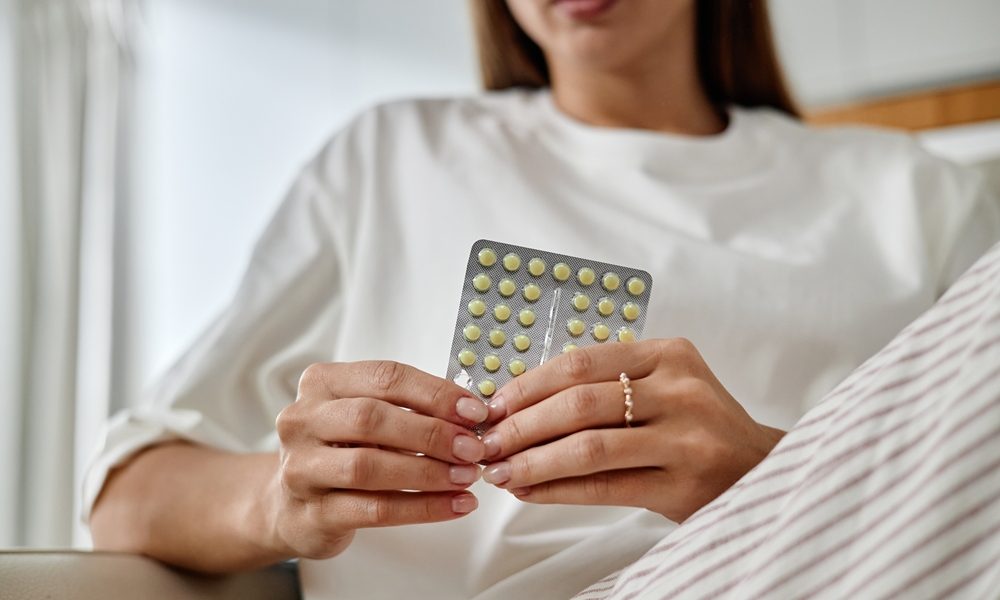
Short-term oral HRT was linked to a 60 per cent higher rate of serious blood clots in women aged 50 to 69, a large study found. The increased rate was seen among women using oral hormone replacement therapy for less than a year as well as those treated for more than five years. By contrast, [...]
Newsletter
Sign up for free weekly updates
The latest femtech news, research and investment, straight to your inbox.




