Connect with us

News

HRT crisis: What the shortages mean for thousands of women in the UK
Published

on

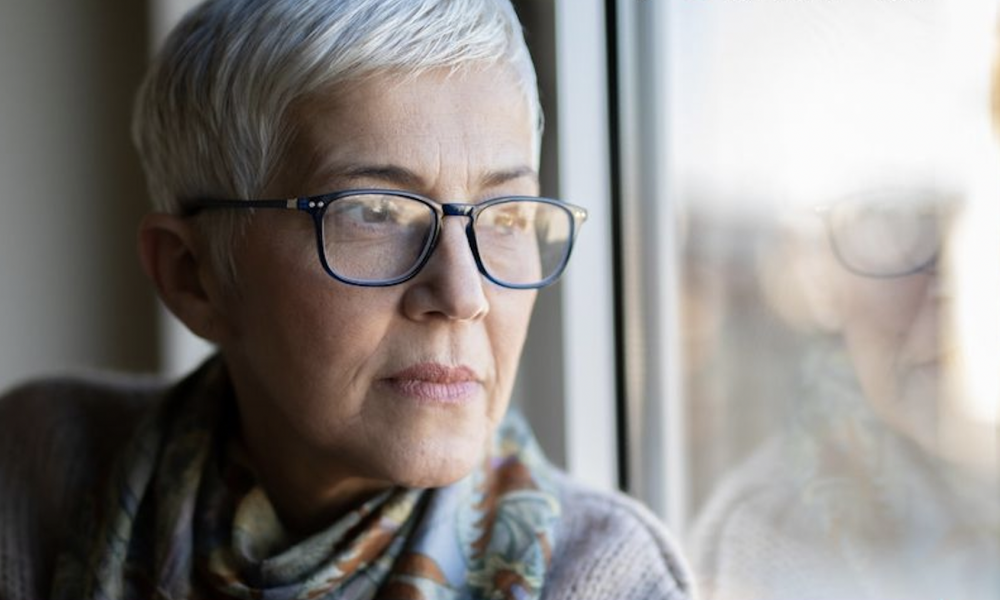
HRT shortages have caused a rising panic among the one million women in the UK who use the treatment to manage perimenopause symptoms 

Demand for HRT – hormone replacement therapy – has gone up by 30 per cent over the past five years due to the increased awareness through mainstream media, better education and GP confidence in prescribing treatments.

However, the recent shortages are extremely worrying for many women dealing with perimenopause and menopause symptoms.

Dr Nicky Keay, member of the British Menopause Society and chief medical officer at the hormone testing company Forth, says that as concerning as it is, shortage of hormone replacement therapy is not a new problem.

“Supply issues have not been resolved since the last shortage a few years ago. HRT is a prescribed medication that in common with many medications required to maintain long term health and therefore, needs to be taken continuously.”

Due to shortages, women are advised to switch to different alternatives. However, Keay warns that there is a downside to this.

“Consistency is important with HRT and every woman has her own unique hormone orchestra,” she explains. “They often spend time working with their prescriber to personalise the type and dose of HRT.

“It is recommended that women are given a three-month supply max to combat supply issues, which is already a common process. So, I would highly recommend women taking HRT to get a prepaid NHS prescription.”

Menopause campaigners have also warned of a further surge in demand for already stretched HRT supplies as a result of Davina McCall’s Channel 4 documentary on menopause.

Department of Health and Social Care (DHSC) ministers hope that the lessons learnt from supplying millions of coronavirus vaccines rapidly throughout the UK will be soon applied to HRT product shortages.

Despite the rising awareness of perimenopause and menopause leading to more women being prescribed HRT, Keay says that there is still a black hole when it comes to hormone testing and understanding the importance of HRT.

Along with Forth’s female founder, Sarah Bolt, Dr Keay started developing a female hormone test called MyFORM that combines blood analysis with mathematically modelling and clinical expertise to map a woman’s hormones across her entire cycle.

“A product like this will allow women to visually see how their hormones are fluctuating and allow them to understand why they might be experiencing certain knock-on effects on the journey to perimenopause and menopause,” Dr Nicky Keay points out.

During perimenopause, oestrogen and progesterone levels decline as the ovaries become less responsive to the control hormones which rise to trigger a response from the ovaries. Helping women gain a deeper understanding of their hormones will help them make more informed decisions around treatment and HRT.

For more information, visit forthwithlife.co.uk.

Entrepreneur

Women’s Health Week USA confirms full speaker lineup and records 170 pitch applications

Published

on

By Women’s Health Week

With four weeks to go until Women’s Health Week USA, the excitement is ramping up!

The final early bird pricing closes this Friday, the full speaker lineup is confirmed, and a record number of pitch applications signals the depth of innovation now moving through the sector as we enter the Era of Scale.

Women’s Health Week USA takes place May 13-14 at the New York Academy of Medicine in New York City, bringing together 600+ senior decision makers spanning investors, founders, multinationals, payers, providers and policymakers around one shared agenda: taking women’s health from growth to scale.

Early bird tickets are available until midnight on Friday, April 17.

Book by then to save up to $600 on your place

The Full Speaker Lineup is Confirmed

The full speaker lineup has finally been confirmed, with 80+ voices spanning investment, innovation, policy, medtech and pharma.

The programme reflects the event’s 2026 theme, The Era of Scale, moving beyond early validation into the harder work of institutionalising women’s health as a category.

Confirmed speakers include Kate Ryder (Maven Clinic), Mallika Mundkur (FDA), Melanie Newman (Planned Parenthood), Nichole Young-Lin (Google), Jill Angelo (OURA), David Stern (Kindbody) and Tammy Sun (Carrot Fertility), alongside representation from the NYSE, ARPA-H, the World Health Organization, Samsung Next, Novo Holdings and more.

View the full speaker lineup

170 Pitch Applications and Counting

The Women’s Health Week USA Innovation Showcase received a record 170 applications ahead of its April 10 close, the highest number in the event’s history.

The volume reflects the growing depth of innovation in the sector, but it was the quality of submissions that stood out, with companies across Medical Devices & Therapeutics and Consumer & Tech bringing genuinely differentiated solutions to conditions that have been underserved for decades.

The selected companies will get the chance to pitch on the mainstage at the New York Academy of Medicine in front of the full audience of 600+ investors, corporates, innovators and strategic partners.

Results will be announced next week.

Register your interest to find out who makes the WHW USA Innovator Class of 2026

NYSE Partnership: A Quick Recap

For those who missed our announcement on Femtech World last week, the New York Stock Exchange is the Official Exchange Partner of Women’s Health Week USA 2026.

On the morning of May 13, WHW will feature in the NYSE Market Update, reaching approximately 200 million viewers.

Women’s Health Week will also light up the North Star Billboard in Times Square for a full week around the event, with live and taped interviews distributed across NYSE Live and Taking Stock.

It remains one of the most significant institutional endorsements the women’s health sector has seen.

Early Bird Pricing Closes This Friday

Tickets increase by up to $600 after midnight on Friday, April 17. For anyone with May 13-14 in their calendar, this week is the window to move.

Download the full programme

Register before Friday

Continue Reading

Entrepreneur

Just 24 hours left to nominate your company of the year

Published

on

You have until Friday to nominate your femtech company of the year.

The award is one of 10 featuring at Femtech World’s third annual awards event, which attracts entries from across the UK, EU and Europe.

The Company of the Year Award is for companies that have demonstrated exceptional leadership in tackling women’s health needs through groundbreaking products, services or platforms that are shaping the future of global femtech.

If your company is driving innovation, impact and growth in this space, this award was made for you.

About the sponsor: Femovate

The category is backed by Femovate, the global femtech incubator using design to fuel innovation across every stage of a woman’s health journey, from proactive prevention through to personalised treatment.

Femovate has invested over US$2 million in design capital, working side-by-side with founding teams to bring market-ready solutions to life.

The startups it supports have collectively raised US$120 million, launched 30 products, and secured seven FDA clearances.

Why enter?

The Femtech World Awards are free to enter.

Winners and shortlisted companies receive extensive coverage across all Femtech World platforms.

Winners will also receive a trophy and the opportunity to be featured in an interview for the publication.

Find out more about the Femtech World Award and enter here by 4pm BST on Friday 17.

Continue Reading

Diagnosis

Women with osteoporosis face increased Alzheimer’s risk, study suggests

Published

on

Women with osteoporosis may be more likely to carry a gene linked to Alzheimer’s, according to new research.

Scientists found that APOE4, the most common genetic risk factor for Alzheimer’s, can weaken bone quality in women, even when standard scans appear normal.

The study, carried out by researchers at the Buck Institute for Research on Ageing in California, US, and UC San Francisco, suggests the gene may damage bone at a microscopic level long before any visible signs.

These changes can emerge as early as midlife and remain invisible to routine imaging tests used to assess bone strength.

The findings suggest a link between Alzheimer’s risk and skeletal health and could help pave the way for earlier detection of both conditions.

Professor Birgit Schilling, a senior author of the study, said: “What makes this finding so striking is that bone quality is being compromised at a molecular level that a standard bone scan simply will not catch.

“APOE4 is quietly disrupting the very cells responsible for keeping bone strong – and it is doing this specifically in females, which mirrors what we see with Alzheimer’s disease risk.”

Doctors have long observed that people with Alzheimer’s suffer higher rates of bone fractures, while osteoporosis in women is known to be one of the earliest predictors of the disease.

Now scientists believe they may have uncovered why.

Researchers led by Dr Charles Schurman carried out a detailed analysis of proteins in aged mouse bone and found that tissue was unusually rich in molecules linked to neurological disease, including those associated with Alzheimer’s.

In particular, long-lived bone cells known as osteocytes showed elevated levels of APOE, with levels twice as high in older female mice compared with younger or male animals.

Further experiments using genetically modified mice revealed that APOE4 had a strong and sex-specific impact on both bone and brain tissue.

The disruption at the protein level was even greater in bone than in the brain.

However, the bone structure itself appeared completely normal under scans.

Instead, the gene interfered with a key maintenance process inside bone cells, preventing them from repairing microscopic channels that keep bones strong and resilient.

When this process breaks down, bones become more fragile even if they look healthy on standard imaging.

These results suggest bone cells could potentially act as early biological warning signs of cognitive decline in women carrying APOE4.

Professor Lisa Ellerby, another senior author, said: “We think targeting these cells may open a new front in preserving bone quality in this population.”

Experts say the findings highlight the need to view the body as an interconnected system rather than treating diseases in isolation.

Dementia, of which Alzheimer’s is the most common form, remains one of the UK’s biggest health challenges.

Around 900,000 people are currently living with the condition, a figure expected to rise to 1.6 million by 2040.

It is already the leading cause of death, responsible for more than 74,000 deaths each year.

Continue Reading

Trending

Copyright © 2025 Aspect Health Media Ltd. All Rights Reserved.