




News
Birth control pills may affect the body’s ability to regulate stress, say researchers
Scientists measured the stress hormone ACTH, making it possible to observe and analyse rapid changes in a woman’s stress response

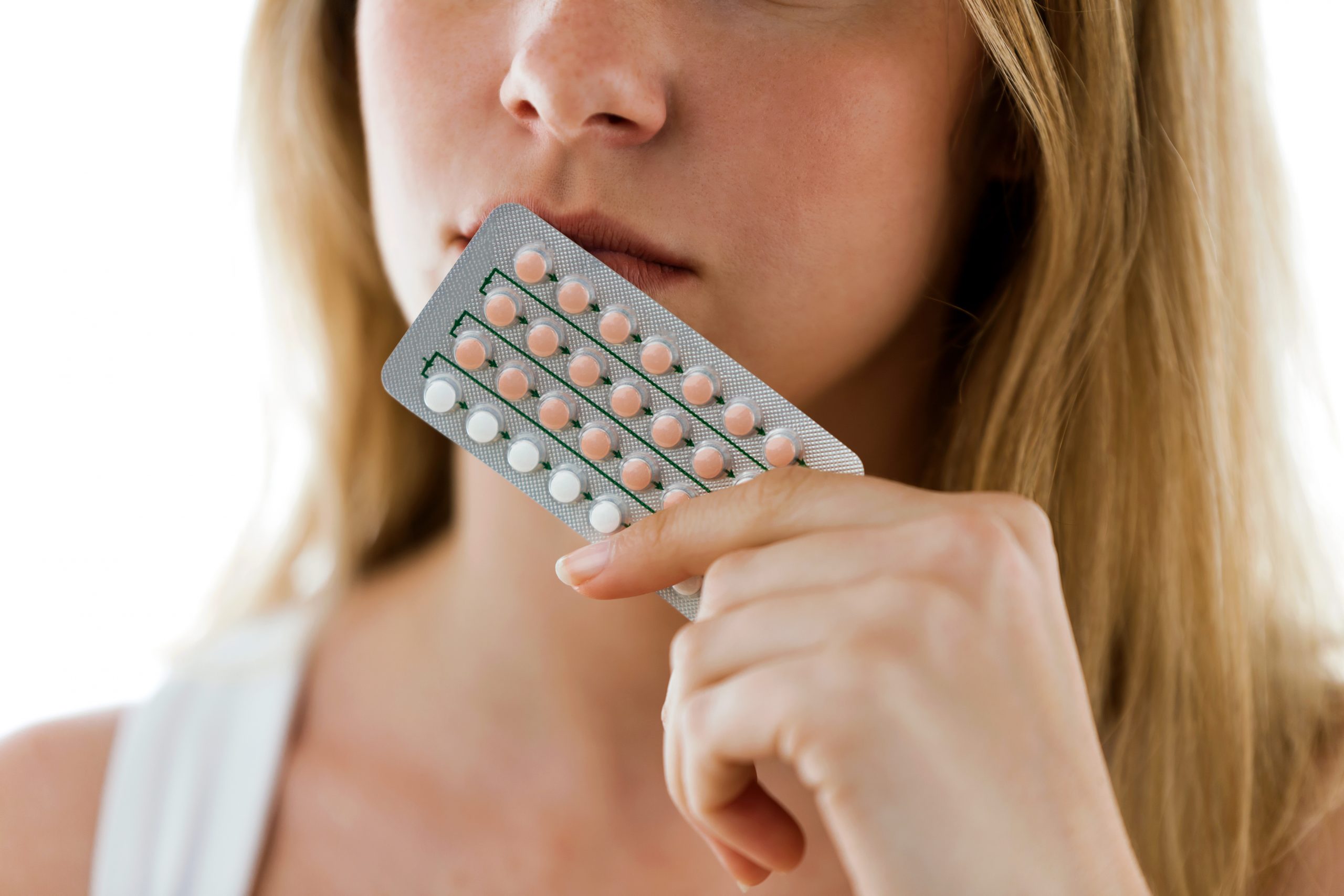
Contraceptive pills may have an impact on the body’s ability to regulate stress, a new study has found.
Researchers from Aarhus University and the United States have studied the stress response of 131 young women by measuring the levels of the stress hormone ACTH in the their blood. Some of the participants were on birth control, while others were not.
The study showed that 15 minutes of social activity after having a blood sample taken lowered stress hormone levels in women who were not on birth control. In contrast, women on birth control did not experience any reduction in their ACTH levels.
To avoid causing any additional stress to the test subjects, a small intravenous catheter was inserted in connection with the first blood sample. The researchers could then draw blood after the social activity without having to prick the women with a needle again.
After having a blood sample taken, they could then participate in one of six different group activities such as playing board games, getting to know each other in a group session, singing songs together or attending a church service.
“Being with other people is one of the most effective ways of reducing stress,” explained Michael Winterdahl, a visiting scholar at the translational neuropsychiatry unit at the department of clinical medicine.
“Our results are important because they indicate that people who use birth control pills do not experience the same reduced stress hormone levels in connection with social activity as people who don’t.”
It has long been established that birth control pills affect the stress response in women. However, looking at the stress hormone ACTH in connection with a social activity is a new approach.
The research differs from previous studies that have primarily focused on the stress hormone cortisol in extreme circumstances.
In this study, scientists measured the stress hormone ACTH, which changes significantly faster than cortisol, making it possible to observe and analyse rapid changes in a person’s stress response.
“By studying ACTH levels, we take another step towards understanding how the brain regulates stress as ACTH acts as a neurotransmitter from the brain to the adrenal cortex, which produces cortisol,” said Winterdahl.
“When we analyse ACTH levels, we can gain insight into the quick-response mechanism that controls the body’s reaction to stress.”
Birth control pills are known for being able to affect the hypothalamic-pituitary-adrenal (HPA) axis. As the name indicates, the stress signal travels from the hypothalamus in the brain through the pituitary gland that releases ACTH to the adrenal glands that release cortisol.
However, researchers still need an explanation to why women on birth control do not experience the same reduction of stress hormone levels in connection with social activities as those who are not on the pill.
Winterdahl said there are several competing hypotheses that try to explain the lower cortisol levels in women on birth control.
“Our research has pushed us closer to an explanation that centres on the brain and the ACTH dynamics. The biochemistry is complex, but we are working based on the assumption that birth control pills can suppress the body’s own production of progesterone.”
The study additionally revealed that the stress response in women who did not take birth control pills depended on where they were at in their menstrual cycle.
The stress-reducing group activities had no effect on the ACTH levels of the women who were in the proliferative phase of their cycle – just after their period has ended and the body begins producing hormones to get ovulation started.
“Progesterone levels are very low during the proliferative phase of a natural cycle. This leads to a minimal conversion of progesterone into the hormone allopregnanolone,” said Winterdahl.
“Since allopregnanolone is important for activating the receptors that regulate the stress response, we don’t see a reduction in ACTH levels in women with a natural cycle who have just had their period.”
He pointed out that women also tend to be more physically active during the proliferative phase which could be seen as an adaption in which the stress response and behaviour change in step with the cycle.
In women on birth control, he said, the stress response is “disconnected”, meaning it can not be adapted to a given situation.
Research still can’t explain exactly how this affects women. Additional studies are needed to clarify the complex mechanisms involved in the correlation between hormone levels and the stress response.
“There are different generations of the pill, each with its own chemical structure due to the hormones used, which means the pills have different side-effect profiles,” Winterdahl concluded.
“It’s therefore crucial that our experiments are reproduced with a larger and more diverse group of test subjects.”




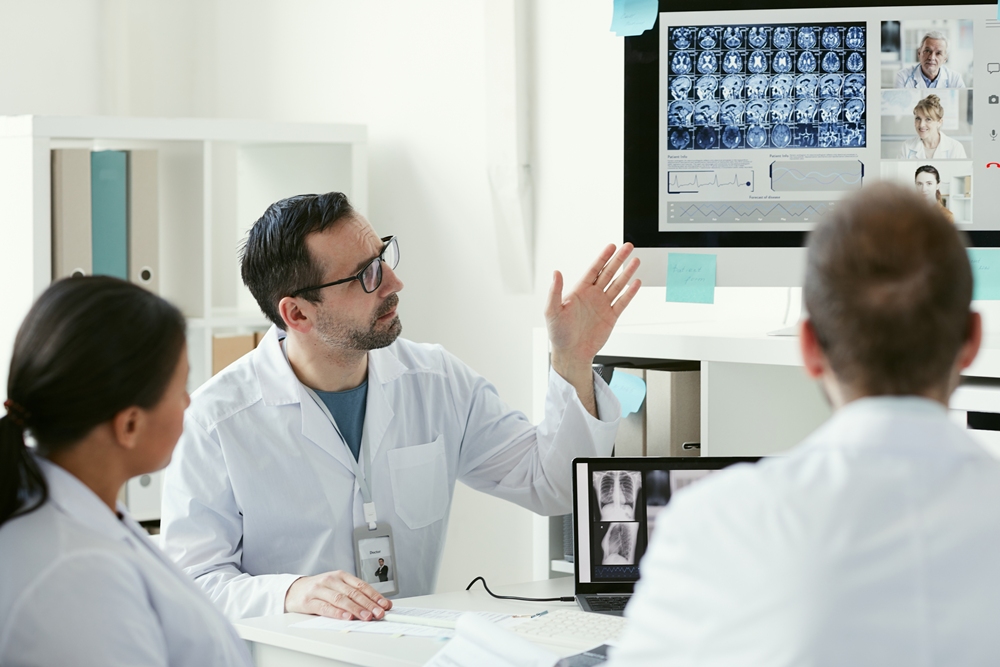
Women in Europe’s health and care sector face a 19 per cent hourly gender pay gap, according to a new World Health Organization (WHO) report.
Women account for 77 per cent of the sector’s workforce, compared with 45 per cent across all other sectors combined, but make up only 55 per cent of its top earners.
The hourly gender pay gap widens at higher wage levels, from 2 per cent among the lowest earners to more than 22 per cent at the top.

The WHO report found that health and care accounts for almost 17 per cent of all women’s employment in its European Region, compared with 5 per cent of men’s employment.
The sector is the fourth-largest employer overall and the single largest employer of women in the region.
Natasha Azzopardi Muscat, director of the Division for Health Systems at WHO Europe, said: “Women make up the majority of the people who keep Europe’s health systems running, yet they’re paid less than their male counterparts, a gap that compounds over a lifelong career.”
The findings follow a pattern seen across the wider labour market, with structural inequality increasing at higher wage and seniority levels.
Globally, women working in health earn an average of 24 per cent less than men, according to the report, a wider gap than in many other industries.
Some of the difference in pay could be explained by work-related factors, including age, education, public or private sector employment and whether people worked full-time or part-time.
After adjusting for those four factors, the hourly pay gap fell from 19 per cent to 6 per cent, while the monthly gap declined from 28 per cent to 10 per cent.
The remaining difference could not be explained by factors measured in the data.
“Most of this gap isn’t down to women working fewer hours, being younger or working in different parts of the sector,” Azzopardi Muscat said.
“It comes down to how the sector values women’s work. Age, education, working hours and public versus private sector employment only helps explain some of it.”
WHO said the findings point to factors including the undervaluation of care work, occupational segregation and potential discrimination in pay-setting practices.
Occupational categories with a higher proportion of women paid less across managerial, professional and technical roles.
Management jobs in health and care employ more women than management roles in other sectors and pay an average of €22 per hour, compared with €24.70 in comparable roles elsewhere.
WHO described the gender pay gap as one of the most persistent forms of labour market inequality. Given the number of women working in health and care, it said the gap could have important economic and social consequences.
The report said the inequality may lead to lower lifetime earnings and pension entitlements, increase women’s risk of poverty, reduce returns to education and undermine sustainable economic growth.
“It means lower pensions, less financial security in older age, and a higher risk of poverty for women who’ve spent their working lives caring for others,” said Azzopardi Muscat.
“This isn’t a coincidence, and it isn’t about qualifications. Women are being paid less for the same work and passed over for the roles that pay more.”
WHO said closing gender pay gaps was both an equity imperative and an investment in a stronger and more sustainable health workforce.
It suggested measures including greater salary transparency, increased female representation in decision-making roles and action to address gender norms and stereotypes.

Higher BMI at 20 was linked to a lower risk of post-menopausal breast cancer in an analysis of more than 33,000 women.
Lower breast density later in life may partly explain the link between higher body mass index, or BMI, in early adulthood and lower breast cancer risk after menopause.
The findings could help explain why higher body weight in childhood, adolescence and early adulthood appears linked to lower long-term risk, while being overweight in middle age is associated with increased breast cancer risk.
First author Dr Benoit Jauniaux, a surgical trainee in the North-West Deanery, said: “Researchers in previous studies have observed that women with a higher BMI in childhood or their early adulthood appear to have a lower risk of breast cancer after the menopause, but we have not fully understood why.
“This study suggests that downstream changes to breast density may explain a large part of this effect.”
The study was published in the British Journal of Cancer on 17 September 2026 and was supported by the National Institute for Health and Care Research (NIHR) Biomedical Research Centre (BRC): Manchester.
Researchers at The University of Manchester and Manchester University NHS Foundation Trust followed 33,816 women taking part in the UK Predicting Risk of Cancer at Screening (PROCAS) programme for more than a decade.
They recorded 1,261 cases of post-menopausal breast cancer and compared women’s self-reported BMI at age 20 with breast density measurements from routine mammograms.
Breast density refers to the amount of fibrous and glandular tissue compared with fatty tissue in the breast. Women with denser breasts are known to have a higher risk of breast cancer.
Women with a higher BMI at age 20 generally had lower percentage breast density later in life and were less likely to develop post-menopausal breast cancer.
For every five-point increase in BMI at age 20, the risk of developing post-menopausal breast cancer fell by around 15 per cent. Further analysis suggested lower breast density may account for almost 60 per cent of this effect.
Researchers believe the timing of body weight gains may be crucial because women’s breasts are still developing during adolescence and early adulthood, potentially leading to long-term changes in tissue structure.
The study also found that different measures of breast density may reflect different biological pathways linked to breast cancer risk.
One measure, estimating the percentage of dense tissue within the breast, appeared to capture some of the lasting effects associated with higher body weight in early adulthood. Another measure, based on the total volume of glandular tissue, appeared to be more strongly influenced by body weight later in life.
Senior author Professor Andrew Renehan is professor of cancer studies and surgery at The University of Manchester and programme co-lead in the Cancer Prevention and Early Detection Theme at the NIHR BRC: Manchester/
The researcher said: “These findings do not suggest that gaining weight is protective.
“What they offer is further insight into how breast tissue and consequent breast cancer risk may be shaped across a woman’s lifetime, and we want to understand these mechanisms further.
“Maintaining a healthy weight remains important, because excess weight in later adulthood is linked to a higher risk of breast cancer and many other serious diseases.
“But this study adds to growing evidence that exposures during early life can have lasting effects on health decades later.”

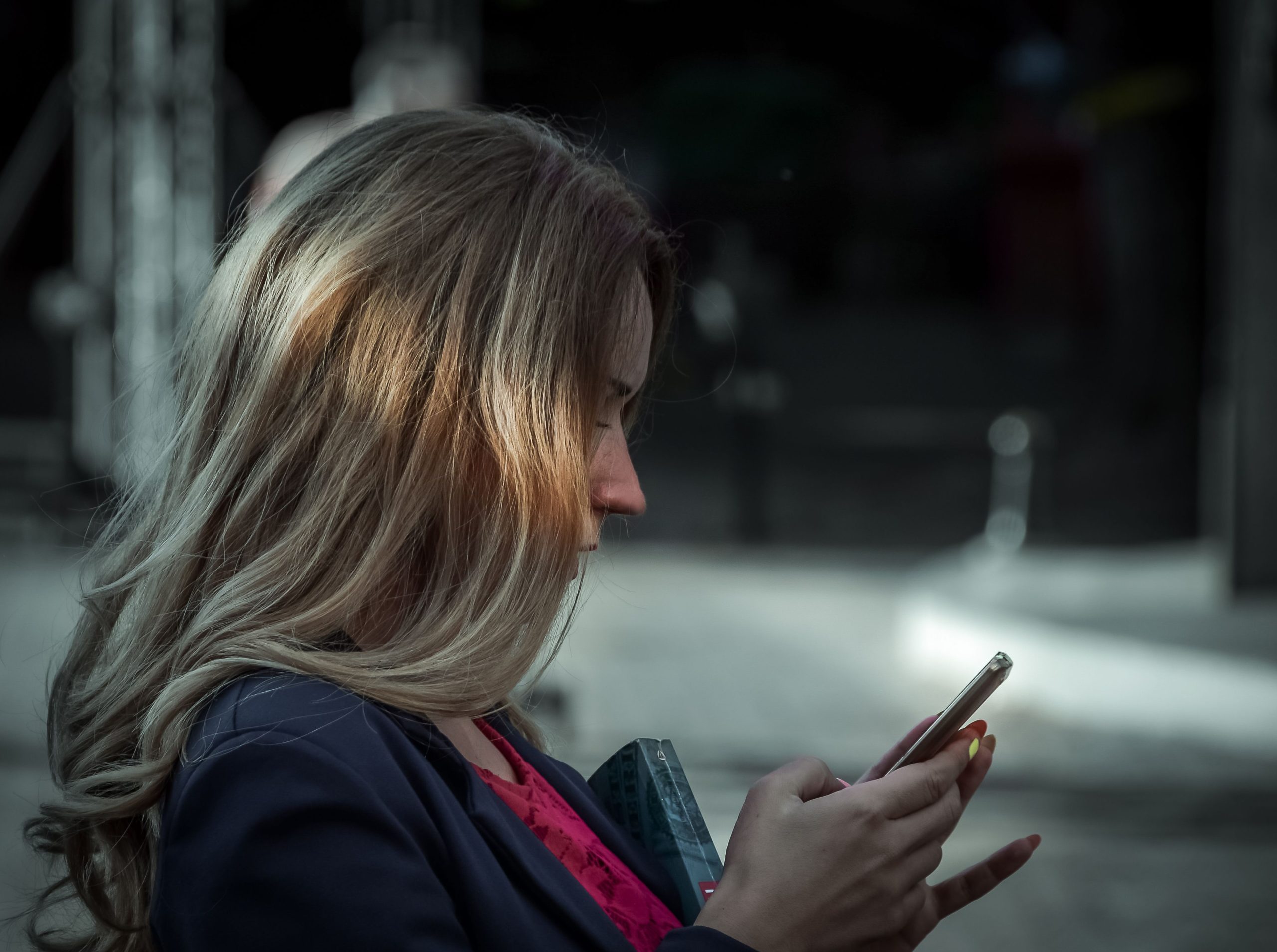
AI-powered journaling app Véa is supporting mental health by helping women to understand their thoughts, triggers and behavioural patterns.
Winner of the Brain and Mental Health Innovation Award at this year’s Femtech World Awards, Véa is designed to address the emotional gap in women’s health technology.
The journal – which has been built by a female team and trained on women’s health papers – tracks inner states, provides personalised insights and somatic practices, and utilises AI to explain complex neuroscience in relatable terms.
Described by its founders as a “protector, seeker, and sculptor”, Véa provides a longitudinal map of women’s emotional journeys, integrating journaling with therapy and both in-person and online community support.
The journal’s goal is to improve women’s mental health without replacing professional care.
Zahra Bhatti, co-founder and CEO and Katrina Zalcmane , co-founder and growth lead speak to Femtech World about the technology, winning a Femtech World Award and their plans for the future.
Women’s health and wellbeing technology has grown so rapidly over the last few years, but is largely focused around physical health. What was the emotional gap that you saw that inspired you to create the journal?
“Women’s health has been focused on reproductive health and physical health, but it is all one ecosystem – it always starts with the mind,” says Zahra.
“Whatever you feel down here, you feel up there too, and the hormones reflect that.
“With Véa, it was actually built from our own personal experience of burnout.
“We wanted to make a space where women could feel safe and were able to reflect what’s on their mind, but also understand their mind the same way that women understand their hormones.
“Women need to understand what happens in our minds. Véa helps women to understand cognitive distortions, why they feel the way they feel, black and white thinking – we wanted to really surface that for them.
“For example, when you’re in your luteal phase, your serotonin levels drop, so that means you’re going to be a bit more nervous.
“You’re going to be more reactive. You’re going to be taking things more deeply, and that’s something that your rational mind wouldn’t normally do if you’re in your ovulation phase.
“So that’s what Véa does – she reflects that back to you, so you understand your body and thought processes.”
Véa describes itself as a journal that’s designed for the female mind. What does that mean in practice, and how does the experience differ from using traditional journaling?
“The majority of our team is female, so Véa has been built from all of our lived experiences, and the AI itself is trained on women’s health papers,” says Katrina.
“It takes into account what having a certain condition means for individuals. For example, if you have endometriosis or PCOS, We’ve trained our AI on womens health data and research, which gets reflected back to the woman in a simple and effective way
“We have a clinical board, who are all also women, who look through the AI and the language. They ensure that all outputs are evidence based, ethical and take into account the various therapies which are proven to work for women.
“We also have somatic practices which are focused on women which we call “rituals”. We have a self-inquiry ritual, a confidence mirror ritual, or we have one of our psychotherapists on the board who does therapy through novels, for example.
“These aim to make you the protagonist of your story.
“Generic journaling apps are one size fits all, but women are not one size fits all, and that’s what we’ve made sure to put in the forefront of Véa.”
Instead of conventional mood tracking, you are focused on the inner states of women. How do you develop that approach, and what kind of insights has it revealed about how women reflect on their emotions?
Katrina says: “Mood plays a part in our inner state and Véa checks in on that.
“It allows you to have a journey across time. For example, on a good day, maybe their “protector” aspect is good at setting boundaries, but on a bad day, it could be really closed off.
“It’s a richer approach, and these inner states are tied to specific prompts which are then linked in the journaling.”
“As women, we are fluid,” adds Zahra.
“We are not one entity.
“For example, you might be in a state where you’re really overthinking, but actually, you’re seeking new perspectives, and that’s why within Véa, the inner state is called a “seeker”.
“When you converse with Véa in your seeker mode, she will challenge you in a Socratic way.
“However, the next day, you might be a “protector”, and then Véa will adjust her voice for a reflective and exploratory tone compared to when you were a seeker.
“Another state which I love is the “sculptor” which is when you’re feeling confident.
“When you’re a sculptor, Véa will talk about how you can be creative, asking questions such as ‘what did you create today?’ ‘How did that make you feel?’ and ‘How would you describe that if you could put a shape to this color, this feeling?’, for example.
“Véa goes into all of these different modes, and it builds a longitudinal map of the woman as well. So, throughout weeks, months and years, you can see how you’ve changed across time.”
How did you approach designing an AI companion that feels supportive without replacing human connection or professional care?
“For the past six years, I’ve been a product manager. So I’ve seen how all of these web apps and applications have been built, and I’ve worked quite deeply with AI so I knew what was missing and like what women truly needed,” says Zahra.
“The key thing for us is that we want to bring “URL to IRL” [in real life].
“We have a community that goes alongside Véa. This includes a WhatsApp community and events.
“We turn the rituals inside Véa into in-person workshops at our events with our clinical board and with professionals in the space.
“We are not neuroscientists, but there are neuroscientists who have helped us build the app, and we make sure that AI is there to support you, but AI will never replace that human touch.
“That’s something that’s very close to us, and we want to make sure we connect people together and help people reflect in a safe space.
“As well as AI, there is the option to talk to the clinical board, to use their rituals, to reflect with the community, and go to our events.”
Katrina adds: “The key is that whatever the touch point is, whether it’s the app or it is an event or even our online community, we don’t want women to feel alone. We want them to feel together, grow together, and process together.”
People may often start journaling with good intentions, but struggle to stick with the practice. What have you learned about building habits and how those insights have shaped the experience of your product?
Zahra says: “I think everyone wants to gamify things – what helps us is the community aspect.
“We’ve created a tribe through the community, and because it’s so hyper personalised, you help shape the app, the app doesn’t shape you. You have full control, which makes people want to come back.
“Véa remembers what you said yesterday as well as six weeks ago, and she will surface that.
“We do have “streaks”, but our streaks are very gentle – every time you get a streak, you get a neuroscience fact along with it.
“Something else we have built in that helps retention is “breakthroughs”. When Véa detects a shift in language, and will highlight, for example, that you have shifted from overthinking to certainty.”
“I think people are sick of data, they’re sick of data that they can’t interpret from. Véa interprets for you.
“Soon we will evolve even more and add more features such as cycle tracking, wearable tracking and hormone tracking, to build out that ecosystem.”
What does success look like for Véa and how do you see the app and the community evolving as you move forward?
“We want to launch across so many different markets. Our next target is the US,” explains Katrina.
“We want to bring our events over there as well. We do a lot of corporate events too. We have one with NatWest coming up – we know that work stress is a big thing, especially amongst females.
“I think there’s a real space for that in the corporate world, so that’s one of our key focuses.”
Zahra adds: “Growing in markets and keeping going with our communities. We have just launched a supper club which sold out in three days in Manchester, which is absolutely amazing. We’re doing some in London and Amsterdam as well in the next few months. We are focused on growth, growing our board as well, and keeping the female mind at the center.”
What does it mean to win the Femtech World Award?
Katrina says: “When you are so passionate and truly believe in something, you do it for that reason, but that external validation of seeing that it also matters for others in the wider space means so much.
“Especially, in Femtech – it is a whole category that has been growing, but when it comes to funding and recognising women’s issues, there is still a lot of awareness that needs to be raised.
“Being recognised gives us that fuel to continue and drive forward, and that it really does matter.”
“We want to be at the forefront of women’s mental wellness as a whole, and have put many sleepless nights into developing the app, so it is a big testament to that,” adds Zahra.

 Menopause1 week ago
Menopause may not explain rising heart condition in women – study
 Entrepreneur2 weeks ago
Last chance to save on Women’s Health Week and Women’s Sport Summit: Early Bird pricing ends 11 September
 Fertility2 weeks ago
Paracetamol use may impact future fertility, studies suggest
 Insight1 week ago
Women with birth trauma face 2.5x higher healthcare costs – study

 Menopause2 weeks ago
Cancer drug could tackle osteoporosis menopause weight gain
 News6 days ago
Medical cannabis may improve endometriosis symptoms – study
 Cancer1 week ago
Study could explain why obesity is a breast cancer risk factor
 Diagnosis2 weeks ago
FDA approves AstraZeneca breast cancer drug