




News
Selva Ventures raises US$34m to invest in health and wellness businesses
The firm aims to diversify its areas of focus, with a particular emphasis on the beauty and personal care sector


The US venture capital firm Selva Ventures has announced the successful closing of its second fund of US$34m to support health and wellness consumer brands.
The firm has confirmed it received backing from Unilever Ventures, PagsGroup and Obelysk, highlighting an investor base that includes a number of investors across the consumer products and professional sports industries.
Launched in 2019 with a US$10m first fund, Selva Ventures has invested in companies including the sexual wellness brand Cake.
The firm says it focuses on Seed and Series A start-ups with proven early momentum, supporting their traction with capital and resources across finance, operations and retail partnerships.
“Health and wellness is a powerful driver of the consumer economy,” said Kiva Dickinson, founder and managing partner of Selva Ventures.
“We believe that by supporting brands that offer new and engaging products we can simplify and enhance the way people lead healthier lives. Our goal and mission is to make healthier living more accessible, affordable and enjoyable.”
As the firm expands its capital base, it aims to diversify its areas of focus, with a particular emphasis on the beauty and personal care sector.
Madeline Kaplan, principal at Selva Ventures, said: “Beauty is an incredibly emotional category, where both brand and product innovation are crucial.
“We aim to support emerging brands that provide innovative products that resonate emotionally with consumers, ultimately making self-care easier, more affordable, and more enjoyable.”
In line with this strategy, Selva Ventures has led investments in the skincare company OneSkin and luxury haircare brand Crown Affair. Over 50 per cent of its portfolio companies to date have female or minority founders.










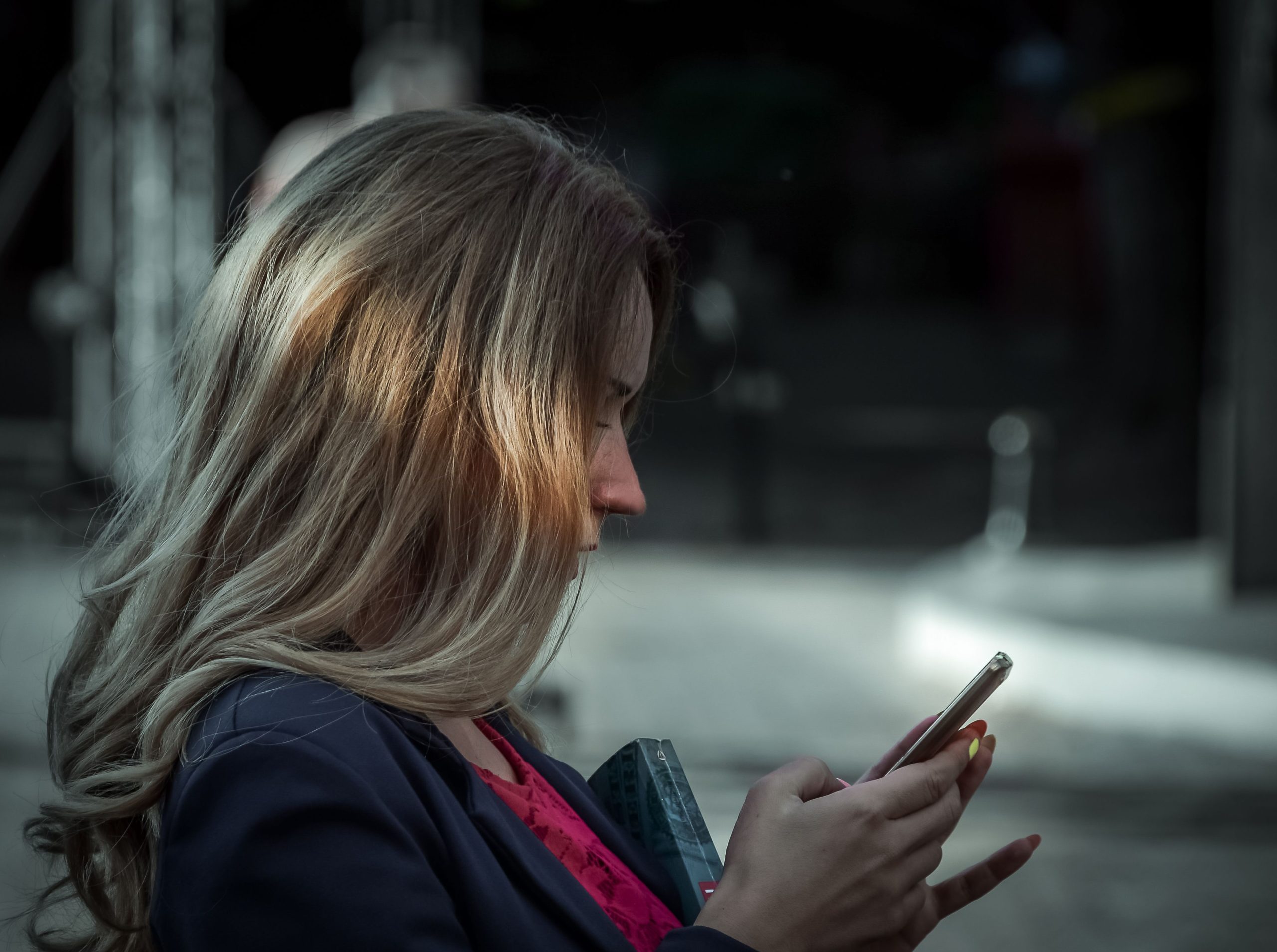
AI-powered journaling app Véa is supporting mental health by helping women to understand their thoughts, triggers and behavioural patterns.
Winner of the Brain and Mental Health Innovation Award at this year’s Femtech World Awards, Véa is designed to address the emotional gap in women’s health technology.
The journal – which has been built by a female team and trained on women’s health papers – tracks inner states, provides personalised insights and somatic practices, and utilises AI to explain complex neuroscience in relatable terms.
Described by its founders as a “protector, seeker, and sculptor”, Véa provides a longitudinal map of women’s emotional journeys, integrating journaling with therapy and both in-person and online community support.
The journal’s goal is to improve women’s mental health without replacing professional care.
Zahra Bhatti, co-founder and CEO and Katrina Zalcmane , co-founder and growth lead speak to Femtech World about the technology, winning a Femtech World Award and their plans for the future.
Women’s health and wellbeing technology has grown so rapidly over the last few years, but is largely focused around physical health. What was the emotional gap that you saw that inspired you to create the journal?
“Women’s health has been focused on reproductive health and physical health, but it is all one ecosystem – it always starts with the mind,” says Zahra.
“Whatever you feel down here, you feel up there too, and the hormones reflect that.
“With Véa, it was actually built from our own personal experience of burnout.
“We wanted to make a space where women could feel safe and were able to reflect what’s on their mind, but also understand their mind the same way that women understand their hormones.
“Women need to understand what happens in our minds. Véa helps women to understand cognitive distortions, why they feel the way they feel, black and white thinking – we wanted to really surface that for them.
“For example, when you’re in your luteal phase, your serotonin levels drop, so that means you’re going to be a bit more nervous.
“You’re going to be more reactive. You’re going to be taking things more deeply, and that’s something that your rational mind wouldn’t normally do if you’re in your ovulation phase.
“So that’s what Véa does – she reflects that back to you, so you understand your body and thought processes.”
Véa describes itself as a journal that’s designed for the female mind. What does that mean in practice, and how does the experience differ from using traditional journaling?
“The majority of our team is female, so Véa has been built from all of our lived experiences, and the AI itself is trained on women’s health papers,” says Katrina.
“It takes into account what having a certain condition means for individuals. For example, if you have endometriosis or PCOS, We’ve trained our AI on womens health data and research, which gets reflected back to the woman in a simple and effective way
“We have a clinical board, who are all also women, who look through the AI and the language. They ensure that all outputs are evidence based, ethical and take into account the various therapies which are proven to work for women.
“We also have somatic practices which are focused on women which we call “rituals”. We have a self-inquiry ritual, a confidence mirror ritual, or we have one of our psychotherapists on the board who does therapy through novels, for example.
“These aim to make you the protagonist of your story.
“Generic journaling apps are one size fits all, but women are not one size fits all, and that’s what we’ve made sure to put in the forefront of Véa.”
Instead of conventional mood tracking, you are focused on the inner states of women. How do you develop that approach, and what kind of insights has it revealed about how women reflect on their emotions?
Katrina says: “Mood plays a part in our inner state and Véa checks in on that.
“It allows you to have a journey across time. For example, on a good day, maybe their “protector” aspect is good at setting boundaries, but on a bad day, it could be really closed off.
“It’s a richer approach, and these inner states are tied to specific prompts which are then linked in the journaling.”
“As women, we are fluid,” adds Zahra.
“We are not one entity.
“For example, you might be in a state where you’re really overthinking, but actually, you’re seeking new perspectives, and that’s why within Véa, the inner state is called a “seeker”.
“When you converse with Véa in your seeker mode, she will challenge you in a Socratic way.
“However, the next day, you might be a “protector”, and then Véa will adjust her voice for a reflective and exploratory tone compared to when you were a seeker.
“Another state which I love is the “sculptor” which is when you’re feeling confident.
“When you’re a sculptor, Véa will talk about how you can be creative, asking questions such as ‘what did you create today?’ ‘How did that make you feel?’ and ‘How would you describe that if you could put a shape to this color, this feeling?’, for example.
“Véa goes into all of these different modes, and it builds a longitudinal map of the woman as well. So, throughout weeks, months and years, you can see how you’ve changed across time.”
How did you approach designing an AI companion that feels supportive without replacing human connection or professional care?
“For the past six years, I’ve been a product manager. So I’ve seen how all of these web apps and applications have been built, and I’ve worked quite deeply with AI so I knew what was missing and like what women truly needed,” says Zahra.
“The key thing for us is that we want to bring “URL to IRL” [in real life].
“We have a community that goes alongside Véa. This includes a WhatsApp community and events.
“We turn the rituals inside Véa into in-person workshops at our events with our clinical board and with professionals in the space.
“We are not neuroscientists, but there are neuroscientists who have helped us build the app, and we make sure that AI is there to support you, but AI will never replace that human touch.
“That’s something that’s very close to us, and we want to make sure we connect people together and help people reflect in a safe space.
“As well as AI, there is the option to talk to the clinical board, to use their rituals, to reflect with the community, and go to our events.”
Katrina adds: “The key is that whatever the touch point is, whether it’s the app or it is an event or even our online community, we don’t want women to feel alone. We want them to feel together, grow together, and process together.”
People may often start journaling with good intentions, but struggle to stick with the practice. What have you learned about building habits and how those insights have shaped the experience of your product?
Zahra says: “I think everyone wants to gamify things – what helps us is the community aspect.
“We’ve created a tribe through the community, and because it’s so hyper personalised, you help shape the app, the app doesn’t shape you. You have full control, which makes people want to come back.
“Véa remembers what you said yesterday as well as six weeks ago, and she will surface that.
“We do have “streaks”, but our streaks are very gentle – every time you get a streak, you get a neuroscience fact along with it.
“Something else we have built in that helps retention is “breakthroughs”. When Véa detects a shift in language, and will highlight, for example, that you have shifted from overthinking to certainty.”
“I think people are sick of data, they’re sick of data that they can’t interpret from. Véa interprets for you.
“Soon we will evolve even more and add more features such as cycle tracking, wearable tracking and hormone tracking, to build out that ecosystem.”
What does success look like for Véa and how do you see the app and the community evolving as you move forward?
“We want to launch across so many different markets. Our next target is the US,” explains Katrina.
“We want to bring our events over there as well. We do a lot of corporate events too. We have one with NatWest coming up – we know that work stress is a big thing, especially amongst females.
“I think there’s a real space for that in the corporate world, so that’s one of our key focuses.”
Zahra adds: “Growing in markets and keeping going with our communities. We have just launched a supper club which sold out in three days in Manchester, which is absolutely amazing. We’re doing some in London and Amsterdam as well in the next few months. We are focused on growth, growing our board as well, and keeping the female mind at the center.”
What does it mean to win the Femtech World Award?
Katrina says: “When you are so passionate and truly believe in something, you do it for that reason, but that external validation of seeing that it also matters for others in the wider space means so much.
“Especially, in Femtech – it is a whole category that has been growing, but when it comes to funding and recognising women’s issues, there is still a lot of awareness that needs to be raised.
“Being recognised gives us that fuel to continue and drive forward, and that it really does matter.”
“We want to be at the forefront of women’s mental wellness as a whole, and have put many sleepless nights into developing the app, so it is a big testament to that,” adds Zahra.

Women with the same medical conditions as men were less likely to receive the same treatment across several specialties, a global research review found.
The review found differences in care for conditions including cardiovascular disease, kidney disease and Parkinson’s, with women less likely to receive some active treatments.
Of 38 studies analysed, 33 found women were less likely than men to be offered active treatment.

Researchers at the University of St Andrews found women with myocardial infarction, heart failure or an irregular heartbeat were more likely to receive medication, while men were more likely to undergo coronary bypass surgery, stenting or other surgical treatment.
Women were also less likely to be prescribed statins.
Men with Parkinson’s were more likely to be referred for deep brain stimulation.
Men with liver failure were more likely to receive a transplant, while women with kidney disease requiring dialysis were less likely to receive permanent access and spent longer using a catheter.
Women were also less likely to receive opioids for pain management.
The researchers found no significant difference between women and men in treatment for stroke or diabetes, while women were more likely to receive treatment for dementia.
None of the studies identified clinical guidelines recommending different treatment based on sex.
Researchers said this suggested the differences could not be explained by the need for different clinical approaches to women’s health.
Dr Andrew O’Malley, who co-led the study, said: “For clinicians, the findings are a prompt to check whether treatment is being offered on clinical grounds rather than assumption.”
He said studies showed doctors more often attributed women’s symptoms to anxiety and made more diagnostic errors with female patients, even when test results were positive.
Dr Miriam Veenhuizen, honorary lecturer in the School of Medicine at St Andrews, said: “While the direction of the findings was not a surprise, the consistency was. The same pattern appeared in cardiology, surgery, transplant medicine and emergency care, and it survived statistical adjustment in most studies.”

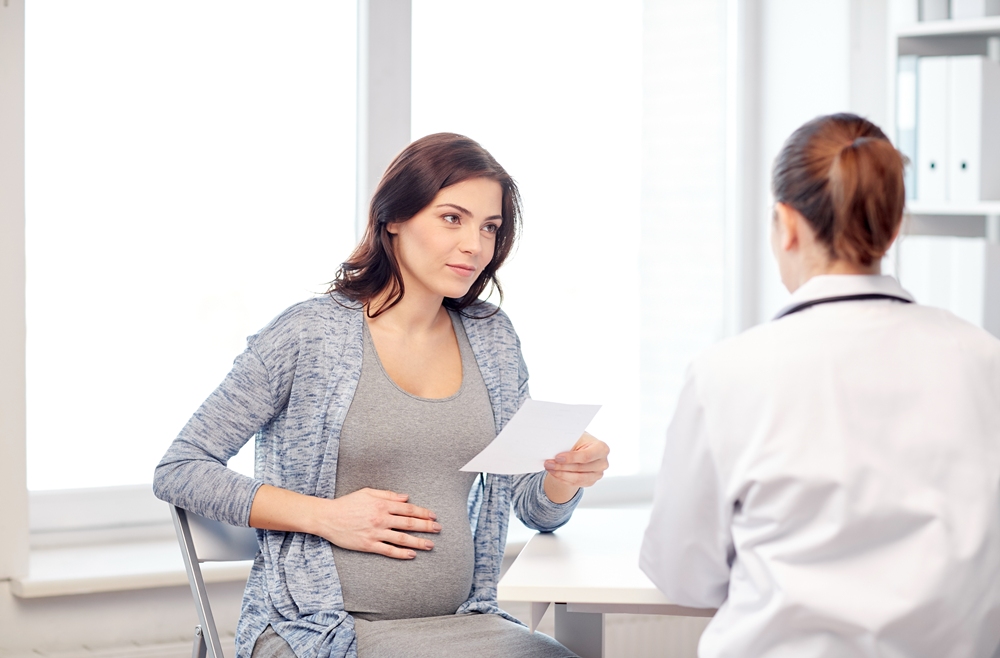
Women entering pregnancy with multiple long-term health conditions face higher risks of miscarriage and other complications, a UK study found.
Those with two or more pre-existing physical or mental health conditions had a 20 per cent higher risk of miscarriage than women with no long-term conditions.
They also had more than twice the risk of venous thromboembolism and around four times the risk of antenatal anxiety and depression.
The UK-wide research team analysed 2,225,701 pregnancies and birth events recorded between 2000 and 2022 across five datasets covering England, Scotland, Wales and Northern Ireland.
Women with multiple long-term conditions had a 69 per cent higher risk of nausea and vomiting during pregnancy and a 42 per cent higher risk of pre-eclampsia.
The women also had a 32 per cent higher risk of placental abruption and a 26 per cent higher risk of gestational diabetes.
Risks rose as the number of existing conditions increased.
Among women with three or more long-term conditions, the risk of venous thromboembolism was more than three-and-a-half times that of women with no long-term conditions.
Researchers said the findings had implications for maternity services, where care pathways are largely centred on individual conditions and may not adequately meet the needs of women with multiple long-term conditions.
Dr Kelly-Ann Eastwood, joint senior author and honorary lecturer at Queen’s University Belfast and consultant obstetrician at St Michael’s Hospital, Bristol NHS Foundation Trust, said the results “help define” the urgent clinical challenges facing women entering pregnancy with multiple long-term conditions and the clinicians caring for them across the UK.
“These findings highlight the pressing need to restructure existing maternity services to improve antenatal outcomes,” she added.
The authors cautioned that the study was observational and relied on routinely collected health records, meaning some conditions and outcomes may have been under-recorded, while residual confounding could not be excluded.
The researchers plan to examine birth and child outcomes and identify which combinations of long-term conditions carry the greatest risk.



 Menopause4 days ago
Menopause may not explain rising heart condition in women – study

 Fertility1 week ago
Paracetamol use may impact future fertility, studies suggest

 Entrepreneur2 weeks ago
Last chance to save on Women’s Health Week and Women’s Sport Summit: Early Bird pricing ends 11 September

 Insight4 days ago
Women with birth trauma face 2.5x higher healthcare costs – study

 Menopause2 weeks ago
Menopause hormone treatment may ease brain fog, study suggests

 Menopause1 week ago
Cancer drug could tackle osteoporosis menopause weight gain

 Cancer4 days ago
Study could explain why obesity is a breast cancer risk factor
 Diagnosis2 weeks ago
FDA approves AstraZeneca breast cancer drug