Menopause
Boots introduces ‘science-backed’ menopause wearable device
The device helps women with hot flush relief, stress and sleep disruptions associated with menopause

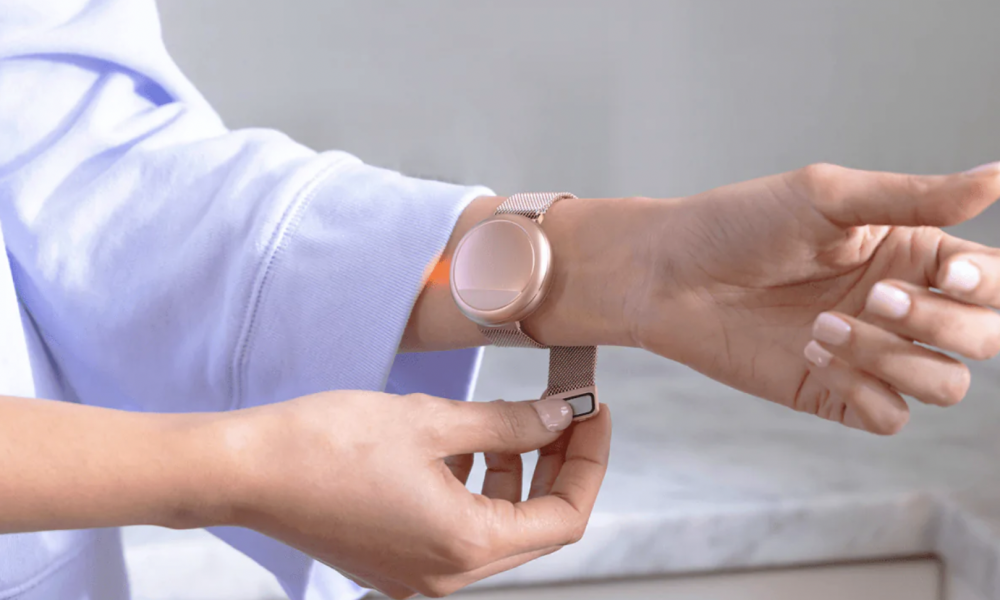
Boots and No 7 have announced the launch of a new menopause wearable device on the UK market.
The Embr Wave 2 is a wristband for hot flush relief that helps women find relief and have more control over their skin temperature during menopause.
According to Embr Labs, the device uses technology and advanced thermal science to provide rapid, safe and effective hot flash relief. The bracelet offers full-body menopause symptom relief by cooling or warming the sensitive skin of the wrist.
Using the company’s app, users can explore cooling and warming sensations and decide the intensity and duration of each session. The app also lets women track their usage, see patterns over time and learn what works best for them in the long term.

Hot flushes, also known as vasomotor symptoms or night sweats, are characterised by a sudden sensation of intense heat and sweating.
They can affect hundreds of menopausal women globally, frequently interfering with sleep and daily living, resulting in a negative impact on quality of life and even a desire to leave the workforce.
According to a public survey, three in every five women are negatively affected at work as a result of the menopause, impacting not only women but also their families.
“We’ve already witnessed the rapid adoption of the Embr Wave by women who reached menopause and how it helped them with hot flushes, insomnia, and stress,” says Embr Labs CEO, Elizabeth Gazda.
“We’re pleased that we have the opportunity to collaborate with a leading consumer brand like No7 to launch our product in the UK.
“Not only have No7 and Boots recognised the enormous commercial opportunity in the menopause space, but Boots as a company is leading the way in providing menopause benefits to its own employees—other companies are sure to follow.”
The product is available in Boots stores and online.
Menopause
AI maps how reproductive organs age differently during menopause
News
Government and NHS urged to work with pharmacies on menopause support

The government and NHS England should work with pharmacies to show how the sector can help women experiencing menopause symptoms, according to a joint statement released by several pharmacy bodies.
A consensus statement endorsed by the Royal College of Pharmacy warned there remains significant unmet need for clear, evidence-based guidance and advice on the condition.
The statement, ‘Menopause, unmissed’, published on 24 April 2026, was endorsed by bodies including the Royal College of Pharmacy, the Company Chemists’ Association and the National Pharmacy Association.
Amandeep Doll, director for England at the Royal College of Pharmacy, said: “Pharmacy teams are highly accessible and already support people experiencing menopause with advice, self-care and signposting to other services.
“We endorsed this statement because improving access to clear information and joined-up care is essential, particularly for those facing inequalities.”
According to the NHS, around 75 per cent of women experience some symptoms during perimenopause and menopause, while 25 per cent report that their symptoms are severe.
In the joint statement, the pharmacy bodies welcomed increased awareness of menopause in recent years but warned this had also led to a sea of misinformation and that there remains significant unmet need, particularly for clear, evidence-based and accessible information and guidance.
The document set out eight recommendations to improve menopause care, including a public awareness campaign on menopause symptoms and opportunities for self-care, alongside guidance on how pharmacies can support women with menopause.
It also recommended that integrated care boards and women’s health hubs should report progress on implementing the upcoming equity framework in menopause care.
In its renewed women’s health strategy for England, published on 15 April 2026, the Department of Health and Social Care set out plans to publish an equity good practice guide to help integrated care boards better understand and reduce inequalities in heavy periods and menopause.
The joint statement asked that the Department of Health and Social Care and NHS England work with champions in minority communities to ensure menopause materials reflect a diverse range of experiences.
It added that women living in areas of high deprivation and those from Black, Asian and minority ethnic communities can experience menopause differently and are more likely to face health inequalities in their care.
Doll said: “With the right support, training and commissioning, community pharmacy can play a greater role in delivering timely, convenient menopause care closer to home, working as part of neighbourhood health teams and in partnership with women’s health hubs.”
News
HRT maker censured by regulators for ‘systemic failures’ that risked patient safety

Theramex has been censured over HRT failures that regulators said jeopardised patient safety.
The UK producer of HRT drugs, including Evorel and Intrarosa, was found to have breached fundamental compliance standards.
These included not updating crucial prescribing information, in some cases for several years, and not making clear that one drug must not be used during pregnancy.
The Prescription Medicines Code of Practice Authority issued the public reprimand after Theramex staff blew the whistle over what it described as “alarming” compliance issues and incomplete prescribing information for Evorel and Intrarosa that “jeopardise patient safety”.
Evorel patches, which contain estradiol, are among the most prescribed forms of transdermal HRT, meaning hormone treatment delivered through the skin. More than 250,000 items were issued in the last financial year, according to NHS Business Services Authority figures.
Overall, nearly 10m items of estradiol, including gels, were prescribed in the 2024/25 financial year.
The employees’ concerns included failing to provide comprehensive side-effect information in Evorel’s prescribing information, and not updating Intrarosa’s product information since 2019.
The PMCPA also reprimanded the company over failures to specify in advertising at a reproduction and advertising conference that Yselty, used to treat uterine fibroids, should not be taken during pregnancy.
In total, the PMCPA found Theramex had breached the Association of the British Pharmaceutical Industry’s code of practice 21 times.
The panel said the breaches not only jeopardised patient safety, but that Theramex had “brought discredit upon, and reduced confidence in, the pharmaceutical industry”.
The PMCPA also condemned Theramex’s decision to leave the regulator’s jurisdiction.
“By leaving the self-regulatory framework and requiring the Medicines and Healthcare products Regulatory Agency to assume full responsibility for regulating it, Theramex has inevitably delayed any regulatory action and oversight,” it said.
Dr Amit Aggarwal, medical director of the ABPI, said: “Theramex has fallen seriously short of the standards expected under our strict ABPI code of practice, and it’s right that the PMCPA took action.
“It’s also disappointing that as a result, the company has decided to leave the pharmaceutical industry’s self-regulatory system, which holds companies to standards above and beyond the law.”
Julian Beach, MHRA’s executive director of healthcare quality and access, said he was disappointed Theramex had left the PMCPA, but that the MHRA would take any necessary steps to ensure patient safety.
He said: “Leaving the jurisdiction of the PMCPA does not mean a company escapes scrutiny.
“The MHRA has legal powers to investigate and act on concerns about medicines that may impact public safety. Breaches of regulations can amount to criminal offences.”
A spokesperson for Theramex said: “Upholding ethical standards, compliance, and patient safety is very important to us. We acted promptly to address these historical matters as soon as we became aware of them.
“We take these matters seriously and have undertaken a comprehensive review of our compliance framework, including commissioning an independent external audit and implementing a broad programme of enhancements.
“As part of this process, we concluded it is most appropriate to be regulated with respect to UK medicines legislation by the MHRA, while continuing to uphold the spirit and principles of the EFPIA and ABPI codes of practice.
“Therefore, we withdrew from the PMCPA’s jurisdiction in January 2026. This approach allows us to focus our resources on maintaining high standards of ethical and compliant behaviour, with patient safety.”
Entrepreneur2 weeks agoFuture Fertility raises Series A financing to scale AI tools redefining fertility care worldwide
Menopause3 weeks agoMore research needed to understand link between brain fog and menopause, expert says
Fertility3 weeks agoFuture Fertility partners with Japan’s leading IVF provider, Kato Ladies Clinic
News6 days agoWomen’s digital health market set to reach US$5.28 billion in 2026 – report
Ageing2 weeks agoLifting weights shows mental health and cognitive benefits in older women, study finds
News3 weeks agoSelf-employment linked to better cardiovascular health outcomes in Hispanic women
Entrepreneur3 weeks agoFlora Fertility closes US$5m seed round
News2 weeks agoResistance training has preventative effects in menopause, study finds


Pingback: Thermal wellness technology company raises US$35m to fund market expansion - FemTech World