Connect with us

Menopause

Menopause- Not just a women’s problem

With serious impacts on women’s mental health, perimenopause and menopause is costing UK economy 14 million working days per year

Published

on

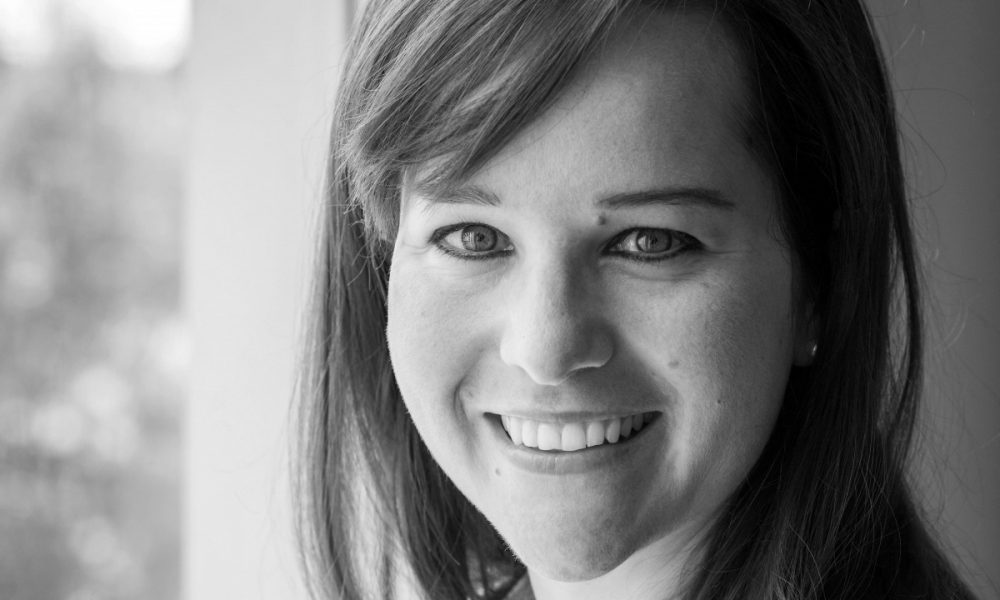
Kate Bache, Health & Her co-founder

As Health & Her research reveals one in ten women have suicidal thoughts during menopause, Kate Bache says menopause is a problem for both society and economy.

In the UK, 370,000 women aged between 50 and 64 have left or considered leaving their career due to the intensity of their menopause symptoms and another quarter had to reduce their hours or change their working pattern entirely.

Such figures suggest a huge need for support, says Kate Bache, co-founder of Health & Her – a platform offering expert advice and products for women experiencing perimenopause and menopause.

Her company’s research has shown that one in ten women have suicidal thoughts during perimenopause and nine in ten are struggling with their mental health while also having the highest rate of divorce.

“These are just the facts,” Bache explains. “But they don’t tell you about the impacts on perhaps women’s children or their elderly parents. With many women being the nucleus of their family and community, menopause is definitely having a big societal effect.

“It is a problem for both society and economy,” she continues. “That’s why it’s really important to make progress and start talking about it.

“It’s unfortunate that there are still people out there who don’t take menopause seriously. I don’t think women are being self-centred with regards to menopause. In fact, if anything, they’re being selfless by making sure that they are healthy and feeling good about themselves so that they can continue to do everything they do every day.”

To help employers, Health & Her has launched a personalised employer menopause support plan that allows companies to empower their workers with specialist advice and training,  along with an app that helps women track their symptoms, learn about their body and build new habits.

“A lot of the psychology around tracking your perimenopause and menopause symptoms is about taking control and understanding your own self and the app helps women do exactly that,” Bache tells me. “We knew this was a really important part of what we should do and we’ve always taken a very holistic approach. We wanted to empower women to make the right decision for them, their symptoms and their journey.”

Different lifestyle factors and daily habits can have a great impact on women’s symptoms. Studies have suggested that cognitive behavioural therapy is a non-medical approach that can be helpful for symptoms such as hot flashes, anxiety, low mood and even low libido.

The co-founder says that: “It’s not as easy as just taking a pill. Unfortunately, to improve your symptoms, you have to look at other health aspects in your life alongside that.

“So, we looked at evidence and we tried to bring that to women in the best accessible way,” she adds. “One of the reasons why many users think our app is different is because of the daily reminders and tools that help them make small changes in their life.

“Our pelvic floor exercise did very well and other sleep, meditation and breathing exercises help women enormously with all sorts of symptoms like anxiety, mental health and insomnia.”

             Between 70 and 80 per cent of the women who used the Health & Her app noticed improvement in their symptoms

Although women’s life stages have been historically neglected, Bache says that things are starting to change. “I think there is a rightly so more conversation opening up,” she points out.

“Women are now having the opportunity to be in positions of power that can really drive that forward. But menopause awareness is more needed than ever because it’s having an even bigger impact on society.”

Recent studies have shown that women are more at risk of osteoporosis and heart disease post-menopause and the way they manage their menopause symptoms has been seen as an important factor in determining their health in later life.

“Women start to understand that it is something bigger here and that there are many ways they can take care of themselves,” Kate Bache says.

“Data is critical in this entire sector, because it will create better products, better technology and will inform and help healthcare professionals and health systems to provide better care,” she continues.

“Our team are unearthing insights all the time and we will be looking to make all that information available to healthcare professionals. That’s going to take a few years, but we absolutely see ourselves as being that thought leader.

“Fundamentally, our focus is on menopause, perimenopause and post-menopause, but there are still a lot of gaps everywhere [in the sector] in terms of insights and understanding. There is so much more that can be done.”

The co-founder is excited about improving and expanding Health & Her geographically. “What’s really important to us now is to expand our services and continue to innovate as rapidly as we have been doing.”

Download the free Health & Her app on App Store and Google Play.

For more info, visit healthandher.com.

News

Abdominal obesity may lead to more severe menopause symptoms – study

Published

on

Abdominal obesity may lead to worse menopause symptoms, including forgetfulness, irritability and night sweats, a new study suggests.

The findings point to a possible link between fat stored around the waist and more severe midlife symptoms.

Researchers said waist-to-height ratio could help identify women who may benefit from more targeted support.

Dr Monica Christmas is associate medical director for The Menopause Society.

Christmas said: “Unintended weight gain during the menopause transition, especially in the midsection, is one of the most commonly reported complaints, with the most significant gains experienced in the years leading up to the final menstrual period and a couple of years after.

“This not only affects self-image but also imposes negative health risks and, as the study highlights, is associated with higher prevalence and severity of menopause symptoms.”

The study used data from more than 1,100 women who took part in the Study of Women’s Health Across the Nation.

Abdominal obesity is a build-up of fat around the waist. It often includes visceral fat, which is deep, active fat surrounding internal organs.

This type of fat releases inflammatory proteins and toxic fatty acids that can contribute to insulin resistance, cardiovascular disease, high blood pressure and a higher risk of some cancers.

Insulin resistance means the body does not respond properly to insulin, the hormone that helps control blood sugar.

The Menopause Society said abdominal obesity is estimated to affect more than 60 per cent of menopausal women.

As oestrogen levels fall during menopause, women tend to store more fat around the waist rather than the hips, even if their overall weight does not change.

The researchers noted that obesity patterns and menopause symptom burden can vary by region, but research into the effect of abdominal obesity on these symptoms remains limited.

They also said earlier studies have mainly looked at single symptoms, rather than how symptoms connect with each other.

In this study, researchers used network analysis, a method that looks at how symptoms are linked, to compare symptom patterns in women with and without abdominal obesity.

They identified abdominal obesity using waist-to-height ratios, which compare waist size with height and can be used as a simple measure of health risk linked to body fat around the middle.

The researchers concluded that women with abdominal obesity had both a higher prevalence and greater severity of a range of symptoms, as well as a distinct symptom network structure.

In particular, women with abdominal obesity reported a higher prevalence and greater severity of dizziness, hot flashes and night sweats than women without abdominal obesity.

Sleep disturbances and palpitations were also reported more often in women with abdominal obesity. Palpitations are feelings of a fast, fluttering or pounding heartbeat.

The researchers said assessment of abdominal obesity using waist-to-height ratios may help stratify women who are likely to benefit from targeted, network-based interventions rather than isolated symptom management.

Christmas said: “Educating women early about healthy lifestyle interventions to prevent midlife weight gain is key to improving mental and physical well-being during a tumultuous time frame.”

Continue Reading

News

Perimenopause may offer “window of opportunity” for heart disease prevention

Published

on

Perimenopause may offer a key window to spot heart disease risk earlier, with women in the transition twice as likely to have low heart health scores, new research suggests.

The findings suggest the transition to menopause could be an important time to reassess risk and prompt lifestyle changes.

Garima Arora is senior author of the study and professor of medicine in the division of cardiovascular disease at the University of Alabama at Birmingham.

Arora said: “Mid-life women should think of the perimenopausal period as a ‘window of opportunity.’

They should be proactive and not wait until they reach menopause to start checking their blood pressure, cholesterol and blood sugar levels.

“Women should talk with their health care team about their reproductive status and any changes they are experiencing. It may be the perfect time to get a baseline for their heart health.”

The analysis included 9,248 women aged 18 to 80 who took part in the National Health and Nutrition Examination Survey between 2007 and 2020.

Researchers used Life’s Essential 8, a heart health score developed by the American Heart Association. It measures diet, physical activity, tobacco use, sleep, blood pressure, cholesterol, body weight and blood sugar on a 100-point scale.

Median scores fell as women moved through reproductive stages, from 73.3 out of 100 in premenopausal women to 69.1 in perimenopausal women and 63.9 in postmenopausal women.

Among the individual Life’s Essential 8 measures, diet consistently had the lowest scores and continued to decline across all reproductive stages.

After accounting for age, perimenopausal women were twice as likely to have a low overall score as premenopausal women.

They were also 76 per cent more likely to have a low cholesterol score and 83 per cent more likely to have a low blood sugar score.

The researchers said fluctuations in oestrogen levels during perimenopause may contribute to lower cardiovascular health because they may affect cholesterol, insulin resistance, blood pressure and weight management.

Insulin resistance means the body does not respond properly to insulin, the hormone that helps control blood sugar.

Sleep duration scores remained high across all reproductive stages, despite perimenopausal women reporting difficulty sleeping, suggesting sleep quality may be more affected than sleep length.

Amrita Nayak, lead author of the study and research fellow in the division of cardiovascular disease at the University of Alabama at Birmingham, said the findings highlight a point where risk may begin to rise.

She said: “Our analysis highlights that perimenopause, women’s reproductive transition period to menopause, is the critical time when the increase in cardiovascular risk seems magnified.

“When we compared women’s LE8 scores to the premenopausal baseline, the perimenopausal group was the first to show a significant jump in the odds of having low heart health.”

Arora added that nutrition could be an important area for early intervention.

“Nutrition can be a central factor for early and proactive intervention.

“Focusing on heart-healthy habits early, especially getting regular exercise and following a healthy eating plan like the DASH diet with a focus on lowering salt can help improve cardiovascular health for perimenopausal women in the years to come.”

Stacey E. Rosen, volunteer president of the American Heart Association, who was not involved in the study, said the findings underline the need to consider women-specific risk factors across life stages.

“This research highlights yet another aspect of the unique factors that increase a woman’s risk of cardiovascular disease throughout the stages of her lifespan.

“Significant health changes during pregnancy, perimenopause and menopause make it particularly important to pay close attention to increases in health risk factors during those times.

“I encourage women to talk with their primary care and specialty health care teams to learn about early detection and modification of traditional and ‘female-specific’ risk factors.

“Women can take proven steps to improve their cardiovascular health at all ages.”

The researchers said the next step is to follow women over several years to track hormone levels and heart health, which may help clarify the long-term impact of perimenopause and how lifestyle changes could reduce risk.

Continue Reading

Menopause

Osteoporosis significantly increases risk of death in menopause, study suggests

Published

on

Osteoporosis may raise the risk of death in postmenopausal women by up to 47 per cent, a new study suggests.

The findings point to an inverse relationship between femoral bone mineral density and mortality risk, especially within certain ranges.

Femoral bone mineral density is the amount of mineral in the thigh bone, which is often measured to assess bone strength and osteoporosis risk.

Dr Monica Christmas is associate medical director for The Menopause Society.

She said: “Osteoporosis often remains a silent threat after menopause, despite its profound effect on women’s lives—from loss of height, poor balance, and reduced mobility to disfigurement, pain, and even premature death.

“Early screening and preventive measures, including a calcium-rich diet (preferably from food sources), regular weight-bearing exercise, and hormone therapy when appropriate, can significantly improve bone health and reduce risks not only of fractures but also cardiovascular disease, certain cancers, and dementia.

“It’s time we bring this conversation to the forefront.”

In the  study involving nearly 3,000 postmenopausal women, bone mineral density at four femoral sites was assessed using dual-energy x-ray absorptiometry, a scan commonly used to measure bone strength and fracture risk.

The analysis found that mortality risk was significantly higher when femoral bone mineral density reached the osteoporotic threshold or when osteoporotic fractures were present.

After full adjustment, osteoporosis was associated with a 47 per cent increased risk of mortality.

A stronger inverse association between increased bone mineral density and mortality risk was seen within specific ranges, suggesting bone mineral density could serve as a prognostic marker of wider health.

The relationship appeared especially notable within the range of 0.46 to 0.71 g/cm² for total femur bone mineral density.

Previous research has shown that postmenopausal women face a significantly higher risk of death within one year of hip or vertebral fractures.

Continue Reading

Trending

Copyright © 2025 Aspect Health Media Ltd. All Rights Reserved.