




News
Gender inequalities worsen women’s access to cancer prevention and care
Researchers call for a “feminist” agenda for cancer care to eliminate gender inequality

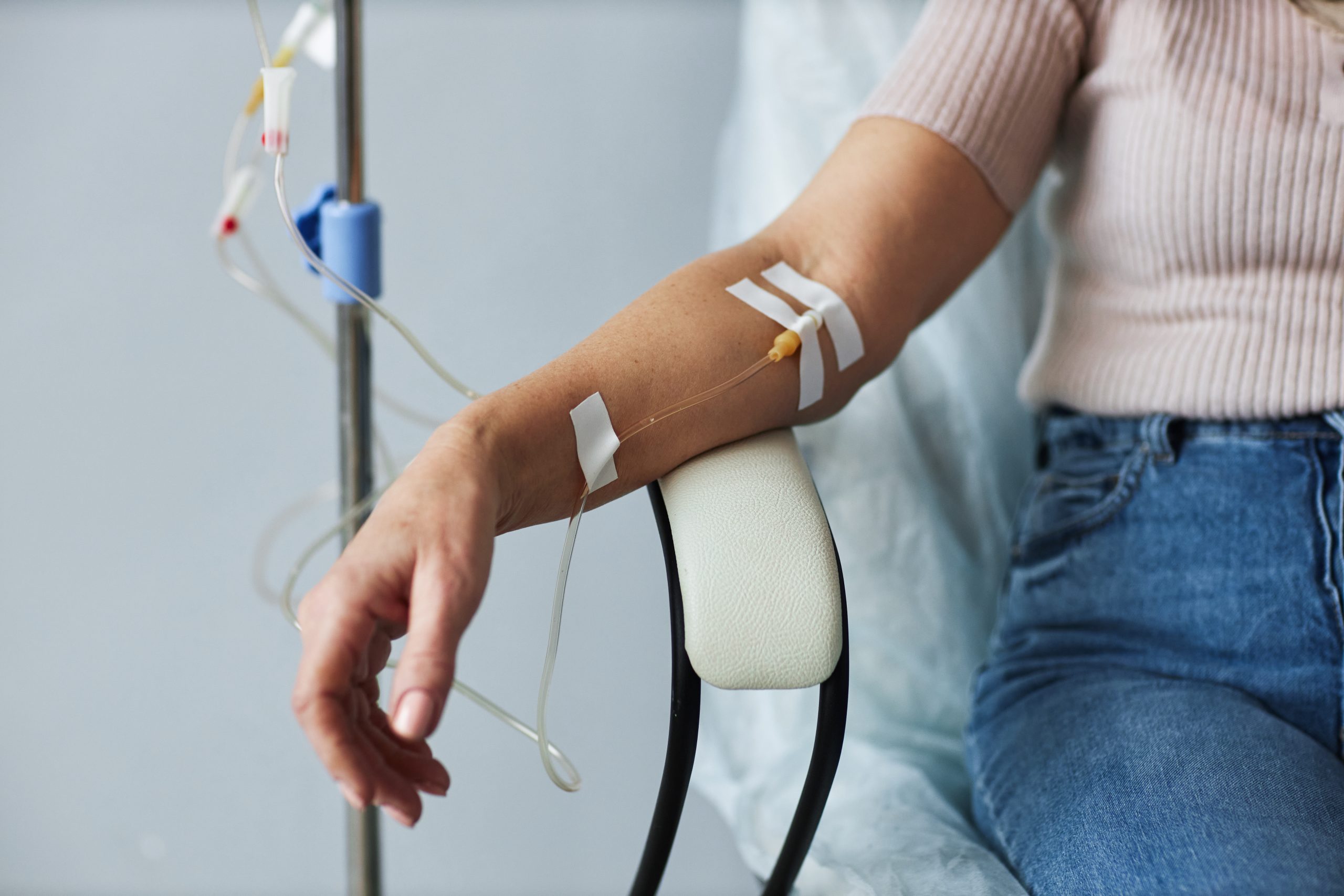
Unequal power dynamics across society have resounding negative impacts on how women interact with cancer prevention, care and treatment, researchers have found.
According to a new Lancet Commission, gender inequality and discrimination influence women’s rights and opportunities to avoid cancer risk factors and impede their ability to seek and receive timely diagnosis and care.
Furthermore, the study found that gender inequalities have resulted in an unpaid caregiver workforce that is predominantly female, risking hindering women’s professional advancement as leaders in cancer research and policymaking, which in turn perpetuates the lack of “women-centred” cancer care.
The Commission calls for a “feminist” agenda for cancer care to eliminate gender inequality where health systems, cancer workforces and research ecosystems are more inclusive and responsive to the needs of women in all their diversities.
Dr Ophira Ginsburg, senior advisor for clinical research at the National Cancer Institute’s Center for Global Health and co-chair of the Commission, said: “The impact of a patriarchal society on women’s experiences of cancer has gone largely unrecognised.
“Globally, women’s health is often focused on reproductive and maternal health, aligned with narrow anti-feminist definitions of women’s value and roles in society, while cancer remains wholly under-represented. Our Commission highlights that gender inequalities significantly impact women’s experiences with cancer.
“To address this, we need cancer to be seen as a priority issue in women’s health, and call for the immediate introduction of a feminist approach to cancer.”
‘Women’s cancers’
A paper, published in The Lancet Global Health, estimated that 5.3 million adults under 70 years old died from cancer in 2020 and that 2.3 million of these cancer deaths were in women.
The study suggested that one and a half million premature cancer deaths in women could be prevented each year through the elimination of exposures to key risk factors or via early detection and diagnosis, while a further 800 000 lives could be saved each year if all women had access to optimal cancer care.
Approximately 1.3 million women of all ages died in 2020 due to four of the major risk factors for cancer – tobacco, alcohol, obesity, and infections, the research also showed.
The burden of cancer in women caused by these four risk factors is widely under-recognised, researchers argue. A study from 2019 found only 19 per cent of women attending breast cancer screening in the UK were aware that alcohol is a major risk factor for breast cancer.
“Discussion about cancer in women often focus on ‘women’s cancers’, such as breast and cervical cancer, but about 300,000 women under 70 die each year from lung cancer, and 160,000 from colorectal cancer: two of the top three causes of cancer death among women, globally,” said Dr Isabelle Soerjomataram, deputy branch head of cancer surveillance at IARC and co-chair of the Commission.
“Furthermore, for the last few decades in many high income countries, deaths from lung cancer in women have been higher than deaths from breast cancer.
“The tobacco and alcohol industry target marketing of their products specifically at women, we believe it’s time for governments to counteract these actions with gender-specific policies that increase awareness and reduce exposure to these risk factors.”
Greater scrutiny of the causes and risk factors for cancer in women is needed as they are less well understood compared with cancer risk factors for men, researchers have said.
There is growing evidence to suggest a link between commercial products predominantly used by women, such as certain types of breast implants, skin lighteners and hair relaxers, and an increased risk of cancer.
Dr Verna Vanderpuye, senior consultant at the Korle Bu Teaching Hospital, Ghana and co-chair of the Commission, said: “While men are at higher risk for most cancer types that develop in both sexes, women have approximately the same burden from all cancers combined, with 48 per cent of cancer cases and 44 per cent of cancer deaths worldwide occurring in women.
“Of the three million adults diagnosed with cancer under the age of 50 in 2020, two out of three were women. Cancer is a leading cause of mortality in women and many die in their prime of life, leaving behind an estimated one million children in 2020 alone.
“There are important factors specific to women which contribute to this substantial global burden.
“By addressing these through a feminist approach we believe this will reduce the impact of cancer for all,” she added.
Gender inequalities in society
Globally, women are disadvantaged in terms of education and employment opportunities and are more likely to have fewer financial resources to help cope with cancer-related financial challenges.
An analysis from eight countries in Asia found almost three-quarters of women with cancer reported catastrophic expenditures in the year following their diagnosis, with 30 per cent or more of their annual household income spent on cancer-related expenses such as medical costs and complementary medicine.
“Gender norms mean women are often expected to prioritise the needs of their families at the expense of their own health, sometimes leading to the postponement of seeking healthcare,” explained Nirmala Bhoo-Pathy, professor of epidemiology at Universiti Malaya and Queen’s University Belfast.

Sexism within healthcare systems in the form of unconscious gender biases and discrimination can lead to women receiving sub-optimal care.
Multiple studies have found women with cancer are more likely to report inadequate pain relief and be at greater risk for undertreatment of pain compared to men.
These gender biases can be intensified when the person experiencing cancer is also part of a marginalised ethnic or indigenous group or has a diverse sexual orientation or gender identity.
A recent national survey in the US found African American women of diverse sexual orientation and gender identity reported higher intersectional stigma than any other group.
Gender inequalities in society also impact the cancer workforce as well as patients and caregivers, with women significantly underrepresented as leaders.
Carolyn Taylor, founder and executive director of Global Focus on Cancer, said: “A key, yet often underestimated, part of the oncology workforce is cancer advocates who are mostly women and represent the population most affected by cancer.
“Policy makers, academic and medical institutions must fully recognise the value of patient advocates, and integrate them into all aspects of the cancer care continuum.”
A ‘feminist’ agenda
To counter the negative impact of gender inequality and transform the ways women interact with the cancer health system, the Commission argues for sex and gender to be included in all cancer-related policies and guidelines, making them responsive to the needs and aspirations of all women, whether they be patients, care providers or researchers.
The commissioners call for strategies targeted at increasing women’s awareness of cancer risk factors and symptoms, along with increasing equitable access to early detection and diagnosis of cancer.
“Our Commission exposes the asymmetries of power which influence women’s experiences of cancer and makes the recommendations required to advance an intersectional feminist approach that would reduce the impact of cancer for all,” said co-author Dr Shirin Heidari, president of GENDRO and senior researcher at Gender Centre, The Geneva Graduate Institute.
“In a society where women’s autonomy is infringed, it’s imperative that researchers, policymakers, organisations and healthcare providers do all they can to meet women’s diverse and unique needs during their experiences of cancer care.”
Dr Monica Bertagnolli, director of the National Cancer Institute, who was not involved in the Commission, said: “Achieving gender equality in the context of cancer research and care will require broad implementation of the recommendations in The Lancet Commission on women, power, and cancer, including the overarching priority action that sex and gender be included in all cancer-related policies and guidelines so that they are responsive to the needs and aspirations of women in all of their diversities.
“This is something that we can and should all support. Improved outcomes for women translate into benefits for households, communities, societies, and the world.”



Breast cancer patients in Scotland face a postcode lottery that could limit access to two newly approved NHS treatments.
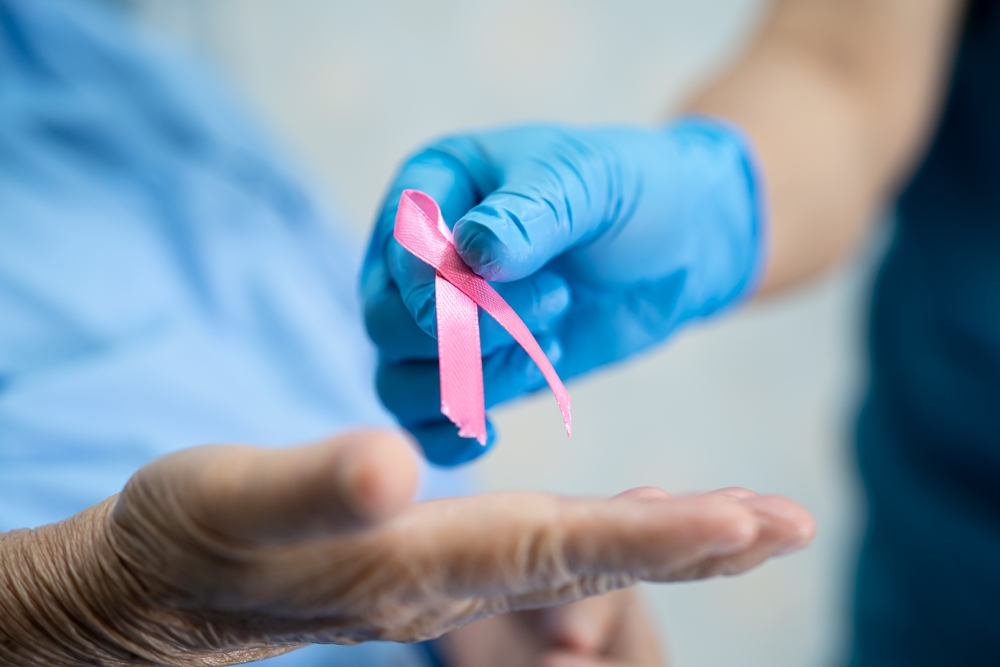
The Scottish Medicines Consortium has approved Elacestrant and Capivasertib, which could be life-extending for some people with metastatic breast cancer.
Eligibility depends on genetic testing to confirm gene mutations before treatment can be prescribed, but the necessary testing is not yet available through the NHS in Scotland.

The testing is available to patients in England and to those able to pay for it privately.
Claire O’Donnell, who was diagnosed with metastatic breast cancer at 37, has raised concerns about the difference in access.
Ten years after her diagnosis, O’Donnell is receiving a treatment that works for her but does not know when it may stop being effective.
She said: “I know how lucky I am. It’s certainly not been easy but I’m incredibly lucky and incredibly privileged to be in that position.
“I’ve watched a lot of my friends die, and a lot of the circumstances has been about not being able to access a drug or getting the drug too late or being too poorly by the time the drug becomes available to them. It makes me angry, and it makes me sad.”
O’Donnell, who has been supported by secondary breast cancer charity Make 2nds Count, is frustrated by the gap in care for patients in Scotland.
She said: “These drug are a lifeline to people. It makes all the difference, and it only takes one drug to be your drug that you know can give you six months a year, two years, five years. It’s almost like they’ve given you a bit of good news, but they’ve also put a little bit of a criteria on it that you know they dangle the carrot in front of you.”
David Cameron, professor of oncology at Edinburgh University and chair of trustees for Make 2nds Count, said the system needed improving to better support patients.
He said: “It’s a frustration for many of us in the clinic because for a long time we’ve been saying as we move into an era of medicines, not just cancer medicines, but medicines that are increasingly driven by special tests, we need a system which absolutely locks the two things together.
“There has been progress in that direction, but they’re not locked together. this comes down to the way the NHS is in a sense fragmented internally.”
Health secretary Angela Constance said: “I welcome the acceptance of Elacestrant, known as Korserdu, for treatment of post-menopausal women, and men, with a certain type of advanced breast cancer.
“We work closely with the independent SMC and the NHS in Scotland to improve access to new medicines, helping to expand the range of treatment options available.
“We are aware that a genomic test is needed in order to access this therapy, and we are working in collaboration with the NHS and industry partners to secure access to this as soon as possible.”



A urine and vaginal fluid test could help rule out womb cancer in women with postmenopausal bleeding, potentially reducing invasive checks.
In a study of 1,864 women with postmenopausal bleeding, the test identified 80 of 99 womb cancers and correctly gave a negative result for 93 per cent of women without the disease.
Researchers said the test was not accurate enough to rule out cancer on its own, but could help fast-track women at the highest risk for urgent investigation while reducing immediate invasive testing for those at lower risk.
Professor Emma Davidson, of the University of Manchester and Manchester University NHS Foundation Trust, said: “Bleeding after the menopause is understandably alarming for women because it can be a sign of cancer, but the vast majority of those investigated will not have the disease.
“At the moment, many women face invasive, uncomfortable tests that can be stressful as well as costly for health services before cancer can be ruled out.
“Our study shows that a simple test using urine and vaginal samples could help identify the women most likely to have cancer while safely reassuring many others much earlier in the diagnostic pathway.
“If further studies confirm these findings in routine practice, this approach has the potential to transform care for thousands of women every year.”
Developed at the University of Manchester and Manchester University NHS Foundation Trust, the test examines cells collected from urine and vaginal fluid samples.
Postmenopausal bleeding currently triggers an urgent cancer referral, although only about 5 to 10 per cent of women who report it have an underlying cancer.
Current investigations include an internal ultrasound scan, a biopsy of the womb lining and hysteroscopy, in which a camera is passed into the womb.
Women taking part in the study attended seven hospitals in north-west England and provided urine and vaginal fluid samples before undergoing their routine tests.
Five per cent of participants, 99 of 1,864 women, were diagnosed with womb cancer through biopsy or surgery.
Cytologists assessed the samples without knowing the women’s diagnoses.
Researchers said the test could be used to triage women suspected of having womb cancer, with lower-risk patients monitored through repeat sampling or given a full assessment if symptoms continued.
They cautioned that the samples were assessed by highly trained specialist cytologists, so it is not yet known whether the same accuracy could be achieved in other settings.
The test has also not been studied in women without symptoms.
Nottingham University Hospitals NHS Trust has apologised after a human error caused 11 years of maternity data to be overwritten.
The incident happened during routine technical work on 18 August, when computer instructions intended to create a copy of a radiotherapy database were mistakenly applied to the maternity database.
Most of the affected information has since been recovered, including notes, observations, test results and other information recorded as part of patient care.
However, the trust has been unable to fully restore the historical record showing who viewed maternity records between September 2011 and November 2022.
Current data was not affected and the incident has had no impact on current maternity services or care provided to women and babies, according to the trust.
It also said no information was accessed or used inappropriately as a result of the incident.
Andy Callow, chief digital and information officer at Nottingham University Hospitals, said: “I am sorry for the concern and distress this incident may cause to women and families affected.
“On 18 August 2026, a human error during a routine technical process resulted in a maternity records database being unintentionally overwritten.
“We took immediate action to investigate the incident and recover the affected information.
“The information needed to support patient care has been restored and there has been no impact on current maternity services or the care provided to women and babies today.
“However, to date, we have been unable to fully restore the historical record showing who viewed maternity records between September 2011 and November 2022.
“We have informed the Information Commissioner’s Office, completed a full investigation and strengthened our processes and controls to help prevent a similar incident from happening again.”
The error occurred when pre-written computer instructions previously used for another hospital system were used during the technical work.
A setting that should have been changed was not altered, resulting in work being carried out on the maternity database instead of the radiotherapy database.
The issue was escalated within minutes of being identified and experts were brought in to recover as much information as possible.
The trust has referred the incident to the Information Commissioner’s Office and notified Nottinghamshire Police, which is conducting a separate criminal investigation into maternity care at the trust.
The force is assessing whether the loss of information about who accessed maternity records could affect that investigation.
The incident follows a maternity review led by midwife Donna Ockenden, which concluded in June after examining the cases of 2,500 families over a 20-year period.
The review found more than 500 mothers and babies suffered potentially avoidable harm, with 162 dying following substandard care. Some babies who survived were left seriously disabled.
Nottinghamshire Police announced its separate criminal investigation, Operation Perth, in September 2023.








 Menopause1 week ago
Menopause may not explain rising heart condition in women – study

 Fertility2 weeks ago
Paracetamol use may impact future fertility, studies suggest

 Insight1 week ago
Women with birth trauma face 2.5x higher healthcare costs – study

 News1 week ago
Medical cannabis may improve endometriosis symptoms – study

 Mental health5 days ago
Neuroscience-backed journaling for women’s mental health

 Cancer1 week ago
Study could explain why obesity is a breast cancer risk factor

 Menopause2 weeks ago
Menopause hormone therapy may improve cardiovascular health outcomes, study suggests
 AI1 week ago
Evvy secures US$40m for AI-powered vaginal microbiome testing