




News
Co-IVF pregnancies may increase risk of serious complications, study suggests


Women using their partner’s egg in co-IVF treatment may face higher risks of complications for themselves and their babies, research suggests.
The review of more than 9,000 patients found increased risks of pre-eclampsia and gestational diabetes, alongside lower birth weights, despite higher live birth rates.
Co-IVF, or reciprocal IVF, lets women in same-sex relationships share the pregnancy journey: one partner provides the egg, while the other carries the baby created with donor sperm.

Elizabeth Choong, first author and an undergraduate student in medicine at the University of Leeds, said: “Numbers of same-sex female couples choosing co-IVF are increasing, so it is vitally important that the risks they face in undergoing this procedure are clearly explained from the outset.
“We hope our research can help keep same-sex couples fully informed before they make any family planning decisions.”
Researchers from King’s College London, Anglia Ruskin University and the University of Leeds analysed five studies comparing co-IVF with conventional IVF, where one partner uses her own egg and donor sperm.
The analysis revealed potential increased risks of pre-eclampsia – a condition that causes high blood pressure and protein in urine during pregnancy – and gestational diabetes, which develops during pregnancy and usually disappears after birth.
IVF cycles among same-sex female couples in the UK rose almost seven-fold between 2008 and 2018, from 320 to 2,151.
Co-IVF is not routinely offered on the NHS, but availability can depend on local policies.
Until late 2024, women undergoing co-IVF faced enhanced screening for hepatitis B, hepatitis C and rubella, costing up to £1,000.
This requirement has now been removed.
Professor Susan Bewley, co-lead of the study and emeritus professor of obstetrics and women’s health at King’s College London, said: “Rates of co-IVF have increased dramatically in the UK.
“It’s important that couples going into the process are aware of potential complications that might happen because the baby is genetically unrelated to the pregnant woman.
“All women deserve full, unbiased information about the extra risks to mother and baby associated with carrying a donor-egg pregnancy – so they can make their own decisions about whether the risk outweighs the benefit.”
The researchers said “ethical considerations must be made to avoid harm whilst respecting patient autonomy and informed consent” when it comes to co-IVF.
While the findings were described as “worrying”, the researchers emphasised that larger studies are needed to confirm them.
Catherine Meads, professor of health at Anglia Ruskin University, said: “These worrying preliminary findings need to be investigated in a much larger-scale study to determine the precise additional risks when women opt to undertake a pregnancy with a donated egg.”
The complications may occur because the pregnant woman’s immune system recognises the embryo as genetically different, similar to risks seen in traditional donor-egg pregnancies.
This immune response can increase the likelihood of pregnancy complications.




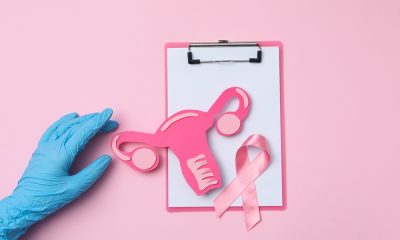







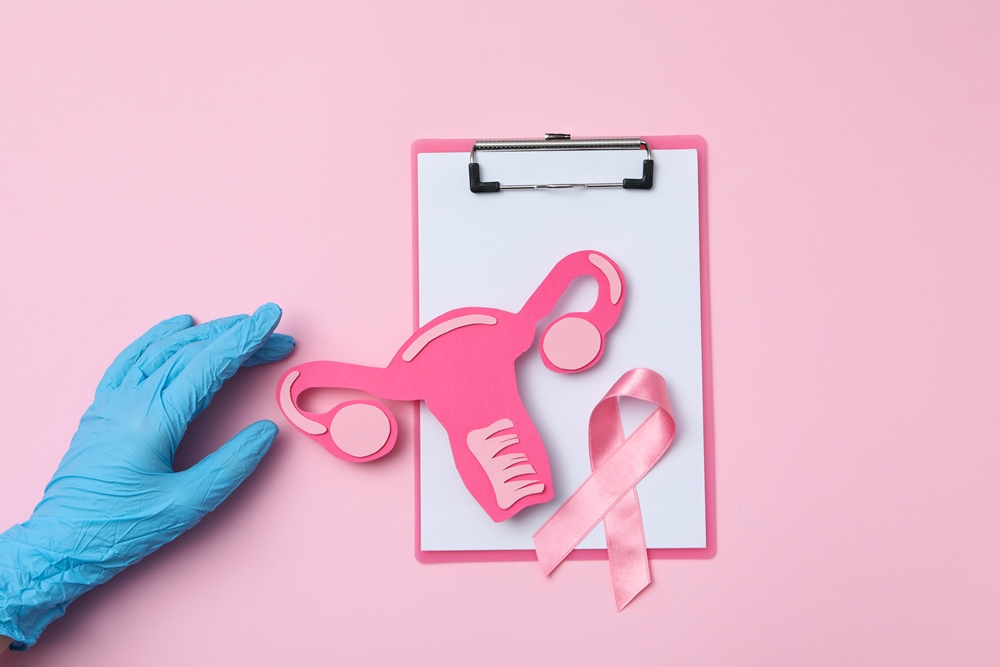
A non-profit has launched an endometriosis documentary featuring Amy Schumer and Marilyn Monroe as it pushes for changes in how the condition is treated and understood.
The Endometriosis Collective has launched to change how endometriosis is researched, treated and understood, starting with a documentary featuring stories from people including Amy Schumer and Marilyn Monroe.
The feature-length documentary, “End of the Cycle”, will premiere in New York on Tuesday, and The Endometriosis Collective is making the film free to stream online.

Schumer, a comedian, writer and actor, has previously spoken of how endometriosis left her “on the floor in pain, vomiting from the pain, the pain that nobody can see.”
Schumer is one of several celebrities featured in the documentary. Other contributors include dancer Julianne Hough, Olympic medallist Brittany Brown and actors Janel Parrish and Folake Olowofoyeku.
The Endometriosis Collective timed the documentary premiere to coincide with the 100th anniversary of Marilyn Monroe’s birth.
Monroe, who died in 1962, starred in films such as “Some Like It Hot” and “Gentlemen Prefer Blondes.”
According to a biography published in 1985, Monroe’s endometriosis was so severe that it destroyed her marriages, her wish for children, her career and ultimately her life.
The Endometriosis Collective said the documentary shares newly uncovered information about Monroe’s experience with endometriosis.
The non-profit said the information connects Monroe’s story to the experiences of women across generations, highlighting how far awareness, research and care still have to go.
A representative of the Marilyn Monroe Estate said: “By sharing this part of her story through ‘End of the Cycle,’ we hope to honour her legacy in a way that brings visibility to endometriosis, encourages more open dialogue and helps inspire the research needed to create change.”
As part of the premiere, The Endometriosis Collective is holding a panel discussion.
Schumer, Brown and Olowofoyeku, the documentary’s co-directors Sammy Jaye and Soraya Simi, and medical experts are due to be part of the premiere.
AbbVie’s Orilissa and Sumitomo Pharma’s Myfembree are among the approved drugs for endometriosis pain.
Hough, one of the participants in the documentary, starred in an Orilissa campaign in 2017.











 Menopause1 week ago
Perimenopause misinformation ‘putting women at risk’

 News4 weeks ago
NIH Grant terminations disproportionately impact minority scientists, research finds

 Events4 weeks ago
WUKA brings Period-Positive Pool Party to London Aquatics Centre to keep girls swimming through puberty
 Insight3 weeks ago
PCOS renamed after decade-long campaign to end ‘cyst’ misconception

 Events4 weeks ago
WHIS 2026 unveils agenda and first speakers for the leading women’s health summit

 Menopause4 weeks ago
CBT shows promise for menopause insomnia and hot flashes
 Hormonal health2 weeks ago
NHS urged to update website following renaming of PCOS
 News6 days ago
Three menopause innovators shortlisted for Femtech World Award