Connect with us

Hormonal health

Understanding the contraception crisis

How the one-size-fits-all approach fails women and why it has to change

Published

on

Finding the right contraception method shouldn’t be trial and error, says Elena Rueda Carrasco. She tells FemTech World why understanding contraception is more important than ever. 

“Despite encouraging research, a male birth control pill remains elusive,” reads a recent headline in The New York Times.

Although, according to the article, scientists have been researching ways to create a male birth control pill since the 1970s, negative side effects, such as weight gain, acne, irritability and mood swings, have been responsible for not licensing any products for use.

“A woman can struggle with the same symptoms in silence – something rather normalised in our society,” says Elena Rueda Carrasco, medical scientist and co-founder and CEO of Dama Health, a company that offers personalised contraception recommendation. “Many women are being told from a very young age that the pain they are experiencing is normal,” she adds.

Indeed birth control side effects, such as weight gain, mood changes and headaches, affect eight in ten women, but are yet deemed too dangerous for developing a pill for men.

“The side effects and the impact of different contraception methods on women have been very normalised when you compare it to other areas of medicine,” Rueda explains. “In a lot of cases, women end up with conditions like endometriosis and PCOS – polycystic ovary syndrome – because their symptoms are often ignored and early diagnosis is not achieved.”

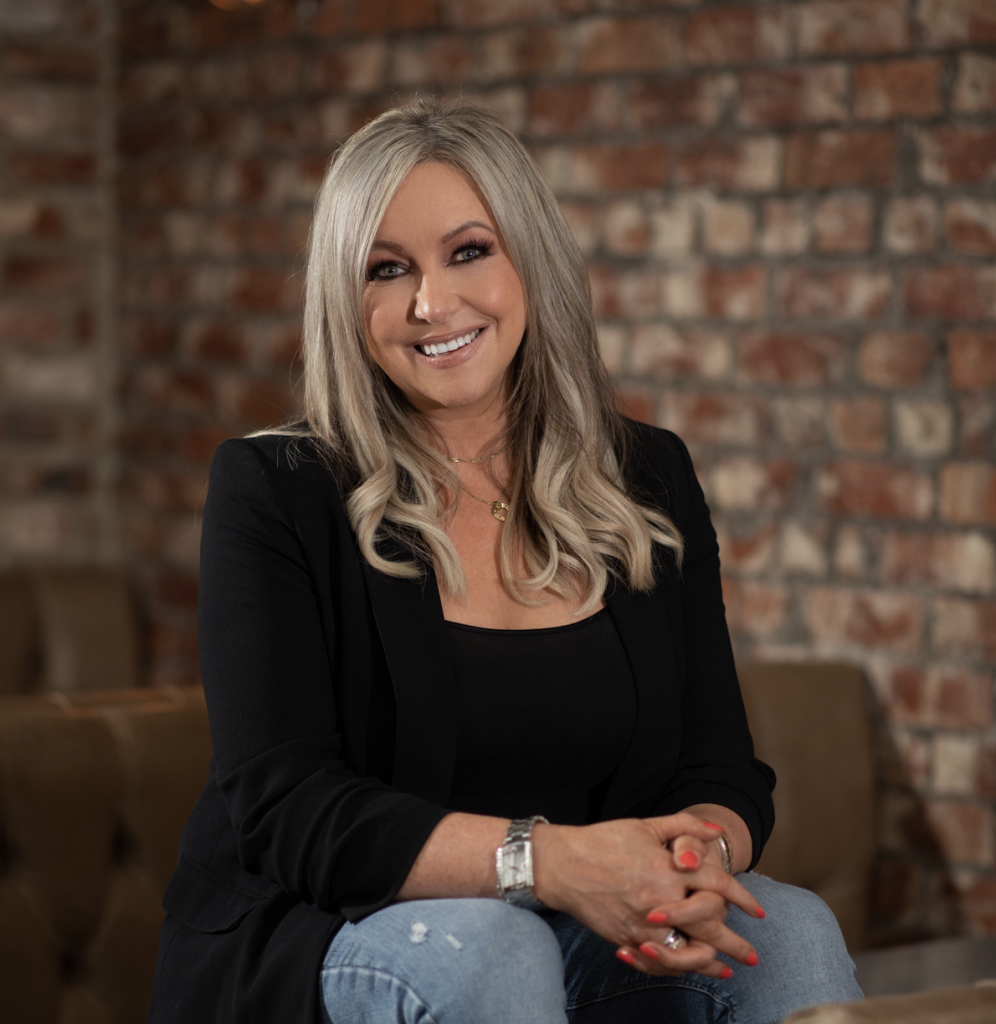
Elena Rueda Carrasco, co-founder and CEO of Dama Health

Figures suggest that medical consultations are too short to offer the right guidance and on average, women try 3.5 different contraceptive methods before finding the one that works for them.

“In the UK, we have such a fragmented [health] system,” the co-founder says. “As a woman, you can get your contraception through your GP, you can go to a sexual health clinic, you can speak to a nurse or a pharmacist. And from our own research, we found out that for many women, this is very confusing.

“Most of the time women will probably call or visit their GP and the GP is actually not a specialist,” Rueda points out. “The GPs are doing a bit of everything, with just a couple of contraception methods they’re comfortable prescribing. Therefore, communication is really hard when you have this fragmentation happening and you don’t really know where to go and who to speak to”.

Dama Health aims to personalise and tailor the way women are being prescribed contraception, screening for and identifying the side effects that women might experience individually. An algorithm would then match them to the recommended contraceptive options that are most suitable for them.

“As a team, we are all scientists and doctors by background, and we were all experiencing this problem of trial and error in the way that women were being prescribed hormonal medication and in this specific case, contraception,” the CEO says.

“I think it all came from personal experience and we all felt that it was an issue. Our chief medical officer, Dr Aaron Lazorwitz, is an OBGYN doctor and he experienced it in clinic, whereas myself and Paulina Cecula [her co-founder] experienced it as women. Paulina is also a medic and she was seeing that actually, doctors were having difficulties and the whole thing ended up being like ‘try this and come back if there’s a problem’.

“We thought that there’s a huge inefficiency [within the system] in this day and age. Women shouldn’t be having to trial and error to find if something is good for them,” Rueda adds. “So that drove us to start doing screening tests, making everything a lot more personal and helping the medical community to make the best decisions when it comes to contraception methods.”

She says that at the heart of this, education and communication are extremely important. “Women and young adults need to be educated around the topic of contraception better,” the CEO says.

“Women especially feel unable to verbalise how they feel, they can’t actually communicate it. So part of our solutions through the screening process, is to ask the right questions that help women understand their bodies and have a better conversation with their doctor.

“For that reason, I think personalised medicine is the future because actually, this one-size-fits-all approach isn’t working. When it comes to medication, you really do need to get that personalisation because the inside of us is so different and so unique.

“With technology becoming cheaper, we have the tools and the ability to make it more personalised and that essentially means taking into account medical history, preferences, maybe some biomarker information and just putting them together to be able to tailor the right treatment option.”

Experts like Rueda believe that very often huge amounts of data are being lost because of a lack of a data tracking system and that subsequently, makes the entire research process harder. “A doctor doesn’t tell you ‘Hey, try this contraception and tell me how you feel’ and actually write a report on it,” she explains. “That information is, therefore, not being captured. That’s dangerous because so much information is not being taken into account.”

But how could data tracking help the medical world? “A doctor is always going to use quantitative and qualitative data to make decisions, so symptom-tracking is one of the most powerful things that we can do as patients,” Rueda adds. “Data has so much power because it helps you essentially prove your point in an argument and is the fastest way to get information and to accelerate research.”

Walking into the clinic, as a woman, and feeling empowered is something that the CEO would like to see in the future and she also hopes that her company will support all women equally.

“The most important thing [for Dama Health] is to be able to be as accessible as possible and help women from different backgrounds. That impact is really important for us and also just working with the medical community and trying to implement our screening tests that could be easily accessed by anyone.”

The team will also be recruiting for beta testers and clinical in Q4 of 2022. If you are UK-based, you can sign-up here to be part of future clinical trials and research programmes.

For more info, visit damahealth.com.



Menopause

Hormone therapy users report healthier lifestyles

Published

on

Menopausal women using hormone therapy reported healthier diet, exercise and sleep habits than non-users in a study of more than 10,000 women.

The menopause transition is associated with a higher risk of chronic health conditions and symptoms including hot flushes and problems affecting the urinary and genital systems.

Hormone therapy is often used to manage these symptoms, but it remains unclear whether it affects health outcomes directly or indirectly through changes in health behaviours.

Previous research has produced mixed results, with some studies suggesting that postmenopausal women pay greater attention to maintaining a healthy lifestyle.


The cross-sectional analysis examined whether menopause status and hormone therapy use were linked to diet, physical activity and sleep duration.

A cross-sectional study assesses participants at one point in time. It can identify associations but cannot establish whether one factor directly caused another.

Diet, exercise and sleep are described as modifiable health behaviours because people may be able to change them to improve their health.

The researchers found that postmenopausal women who had never used hormone therapy reported eating less fruit and vegetables.

Women who had never used the treatment were also 19 per cent less likely to meet guidelines for muscle-strengthening activity.

Sleep duration was shorter among postmenopausal women who had never used hormone therapy.

Compared with premenopausal and perimenopausal women, the likelihood of meeting sleep guidelines was 14 per cent lower among never-users, 26 per cent lower among current users and 24 per cent lower among past users.

Perimenopause is the transitional period before menopause, when hormone levels and menstrual periods can change.

Researchers said these findings may be linked to higher levels of follicle-stimulating hormone among postmenopausal women who do not use hormone therapy.

They may also relate to lower levels of oestradiol, a form of oestrogen, which have previously been associated with poorer sleep.

Hot flushes and urogenital symptoms can also disrupt sleep, although hormone therapy may ease these symptoms.

Dr Stephanie Faubion, medical director for The Menopause Society, said: “This large observational study underscores that women who use hormone therapy tend to adopt overall healthier lifestyles.

“Although this association may partly reflect better symptom control enabling healthier behaviours, healthy-user bias is likely a significant contributor.

“Women who choose to use hormone therapy are often more proactive in their healthcare and may systematically differ from nonusers in socioeconomic resources, access to care, and health literacy.

“This largely explains why early observational studies of hormone therapy suggested cardiovascular benefits that were not confirmed in subsequent randomised, controlled trials.”

Continue Reading

Hormonal health

Weight loss jab shows early promise in improving PMOS fertility

Published

on

A weight loss jab may improve fertility outcomes in women with PMOS, early findings from an ongoing clinical trial suggest.

The proof-of-concept analysis found that injectable semaglutide may offer reproductive benefits while also addressing obesity and metabolic dysfunction.

It is the first report to examine how injectable semaglutide may improve reproductive outcomes in women with PMOS while also addressing obesity and metabolic dysfunction.

The work forms part of the ongoing RESTORE clinical trial.

Melanie Cree, professor at CU Anschutz and first author of the report, said: “Women with PMOS frequently face a frustrating choice between treatments that target reproductive symptoms and those that address metabolic health.

“Our early findings suggest injectable semaglutide may have the potential to improve both, offering a more comprehensive approach to care.

“This medication is incredibly promising when someone responds with 10 per cent weight loss.”

The trial is examining whether semaglutide can restore ovulation and improve reproductive health in adolescents and adults with polyendocrine metabolic ovarian syndrome, known as PMOS.

PMOS, formerly known as polycystic ovary syndrome or PCOS, is a hormone and metabolic condition linked to irregular periods, raised testosterone levels, infertility risk, obesity and increased cardiometabolic disease.

Cardiometabolic disease refers to conditions linked to the heart and metabolism, such as heart disease, high blood pressure and type 2 diabetes.

Existing treatments, including metformin and hormonal contraceptives, often do not fully address reproductive and metabolic complications at the same time.

The analysis focused on participants aged 12 to 35 who lost at least 10 per cent of their body weight during treatment.

Researchers said reproductive improvements appeared earlier than expected, prompting them to report preliminary findings while the wider study continues.

Cree is also a paediatric endocrinologist at Children’s Hospital Colorado.

Endocrinologists are doctors who specialise in hormones and hormone-related conditions.

Cree said: “What makes this work particularly important is that it focuses specifically on women with PMOS receiving injectable semaglutide.

“Although GLP-1 medications have transformed obesity treatment, there remains a significant need for rigorous data examining how these therapies affect fertility and reproductive function in this population.”

The RESTORE study is evaluating semaglutide treatment in girls and women with PMOS and obesity.

Its broader aim is to determine whether weight loss and metabolic improvements can restore ovulation and improve reproductive outcomes.

Ovulation is the release of an egg from the ovary, a key part of the menstrual cycle and fertility.

The authors said the findings are from an early proof-of-concept analysis and that larger, longer-term studies will be needed to confirm whether the reproductive benefits last.

The findings suggest injectable semaglutide may become a treatment option for women with PMOS seeking improvements in both metabolic and reproductive health, if future studies confirm the results.

Continue Reading

Menopause

Apple Health adds menopause and perimenopause tracking

Published

on

Apple announced menopause and perimenopause tracking for its Health app at WWDC 2026, with symptom logging and cycle alerts for some users.

The update expands the app’s cycle tracking beyond fertility and menstrual periods.

If logged cycle patterns suggest a user may be experiencing perimenopause, the app will send a notification prompting a conversation with a doctor.

However, this perimenopause-specific cycle deviation notification is only for users aged 40 and over and is not intended to replace a doctor’s diagnosis or treatment.

Stacey Ford, Apple’s vice-president of OS management, said users will also be able to log menopause and perimenopause symptoms in the Health app.

Educational content will also be available to help users learn more about these life stages and understand changes in their bodies.

Every year, about 2 million women enter perimenopause, the stage before menopause when levels of the hormone oestrogen decline.

According to a February 2025 survey involving 4,432 participants aged over 30, more than half of women aged 30 to 35 experienced moderate or severe perimenopause symptoms.

The findings suggest perimenopause does not affect only older adults.

About 6,000 women in the US enter menopause every day, according to the Society for Women’s Health Research.

Given the number of women affected by perimenopause and menopause, the update broadens the Health app’s scope.

The app launched in 2019, meaning it has gone seven years without these women’s health tracking features, which could help users better understand their bodies and prepare for informed conversations with doctors.

Continue Reading

Trending

Copyright © 2025 Aspect Health Media Ltd. All Rights Reserved.