




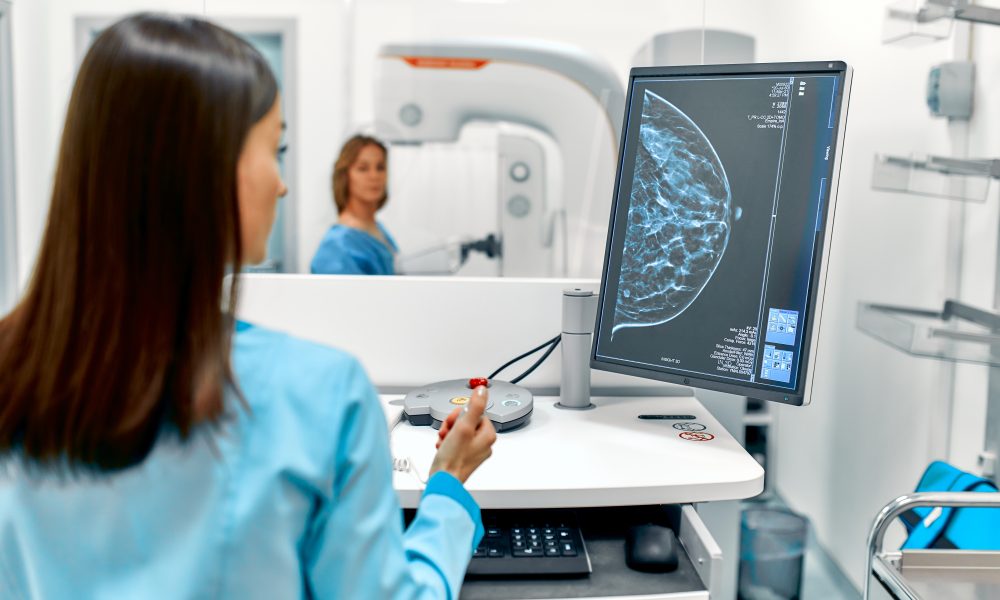
HALO Diagnostics has partnered with the breast imaging reporting and tracking system Ikonopedia to improve early breast cancer detection in women.
The two US companies aim to use genetic testing to catch cancers early and increase adherence to critical follow-up imaging.
Data has shown that genetic testing is the most effective way to determine if a patient has specific pathogenic mutations linked to a higher risk for developing cancer, yet only one in five women appropriate for hereditary cancer testing are offered the option.
Without integrated genetic testing and supplemental breast MRI, traditional imaging centres miss two out of three cancers in high-risk women.

Under the new partnership, Ikonopedia’s mammography software for follow-up tracking and radiology reporting will be integrated with HALO’s genetic lab and diagnostic software services.
As part of the collaboration, Ikonopedia’s risk assessment tool will identify patients eligible for hereditary testing.
This approach, HALO says, is expected to drive a 40 per cent increase in compliance for follow-up imaging, aiding early detection and less invasive treatment.
Studies suggest that 97 per cent of all patients with positive genetic test results comply with additional screening recommendations.
Additionally, there is a threefold increased cancer detection rate with supplemental breast MRI screening in high-risk women and over 99 per cent of patients survive more than five years with an early-stage breast cancer diagnosis.
Brian Axe, founder and chief product officer of HALO, said: “We’re proud to partner with Ikonopedia and their robust breast imaging reporting and risk-assessment tools.
“Our combined solution will save lives by improving early detection through fast, accurate diagnosis and personalised care.”
Emily Crane, CEO and president of Ikonopedia, said: “HALO and Ikonopedia’s goals for early detection and personalised treatment are incredibly well aligned.
“We’re excited to partner with a forward-thinking, precision diagnostics company to enable broader access to genetic testing and improved follow-up.”
Breast cancer remains one of the most common form of cancer in women and, according to the World Health Organisation, more than two million women were diagnosed with breast cancer in 2020 globally.
However, if the disease is identified early, treatment which can prevent cancer growth and spread can be highly effective.


Newsletter
Sign up for free weekly updates
The latest femtech news, research and investment, straight to your inbox.




