



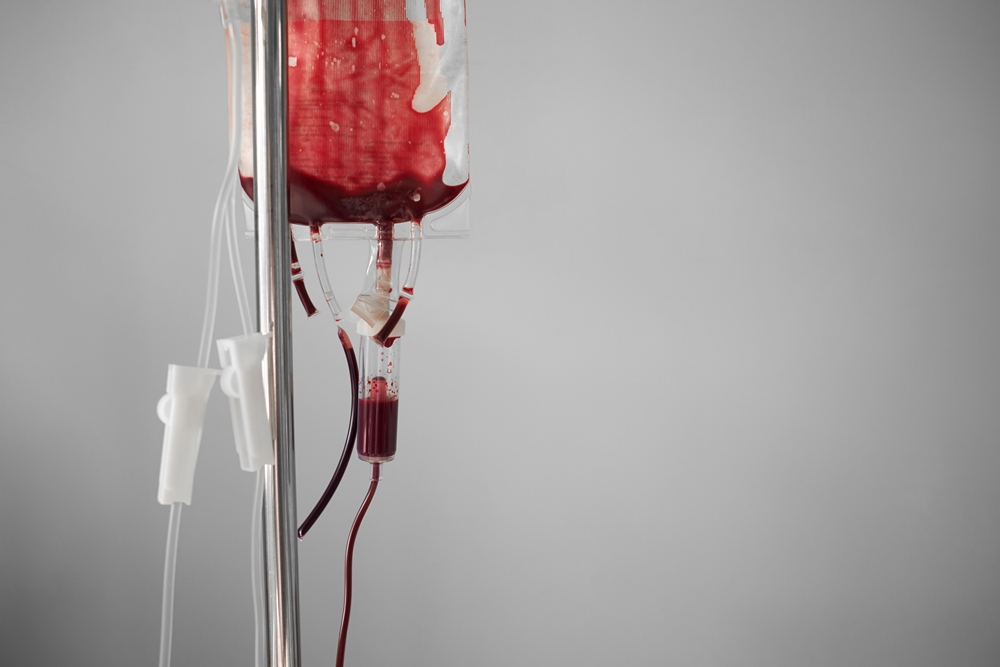
IV iron therapy in pregnancy reduced blood transfusion rates by 37 per cent compared with oral iron, a new analysis of clinical trials has found.
The therapy was also linked to higher maternal haemoglobin, the protein in red blood cells that carries oxygen, and higher ferritin, a protein that reflects the body’s stored iron levels, at the time of delivery.
The reduction in transfusions was greatest, at 42 per cent, among women who had severe anaemia before treatment, defined as a haemoglobin level of 9 g/dL or below.

The findings come from a pooled analysis of randomised controlled trials that compared intravenous (IV) iron with oral iron for treating iron deficiency anaemia in pregnancy.
Researchers searched medical databases for trials published between February 2018 and May 2025, updating an earlier review from 2018, with two reviewers checking each full text article for eligibility.
The analysis included 29 randomised trials covering 11,771 patients, adding 10 new trials to the 20 used in a prior 2019 meta-analysis and excluding one study that had since been retracted.
The study was led by Adam K. Lewkowitz, of the division of maternal fetal medicine at Women and Infants Hospital in Providence, Rhode Island.
Most trials used ferrous sulfate for oral therapy and iron sucrose for IV therapy, with eligibility thresholds for haemoglobin ranging from 5 g/dL to 11.5 g/dL and for ferritin from below 13 ng/mL to below 100 ng/mL.
Compared with oral iron, IV iron was associated with a mean maternal haemoglobin increase of 0.59 g/dL at delivery and a mean ferritin increase of 50.93 ng/mL.
Neonatal ferritin levels were also higher with IV iron, but the analysis found no differences between the two treatments in caesarean delivery rates, gestational age at delivery, neonatal birth weight or neonatal haemoglobin levels.
IV iron was linked to a 44 per cent lower rate of overall mild adverse events than oral iron, and no severe adverse reactions were reported in any of the studies.
“Taken together, these findings may support a greater role for IV iron therapy in clinical guidelines recommending optimal treatment of IDA in pregnancy, particularly among those with severe anaemia,” the study authors wrote.
The authors noted that because the analysis relied on previously published studies, it was subject to their limitations, including inconsistent reporting of outcomes.
Results varied across studies, potentially reflecting differences in IV iron formulations and dosing, oral iron treatment and the stage of pregnancy at which treatment began.
Some patients may also not have received a full IV iron dose, and incomplete reporting of adverse events and possible publication bias may have further affected the results.


Newsletter
Sign up for free weekly updates
The latest femtech news, research and investment, straight to your inbox.



