




Is cell-based milk our environmentally friendly alternative to breastfeeding?
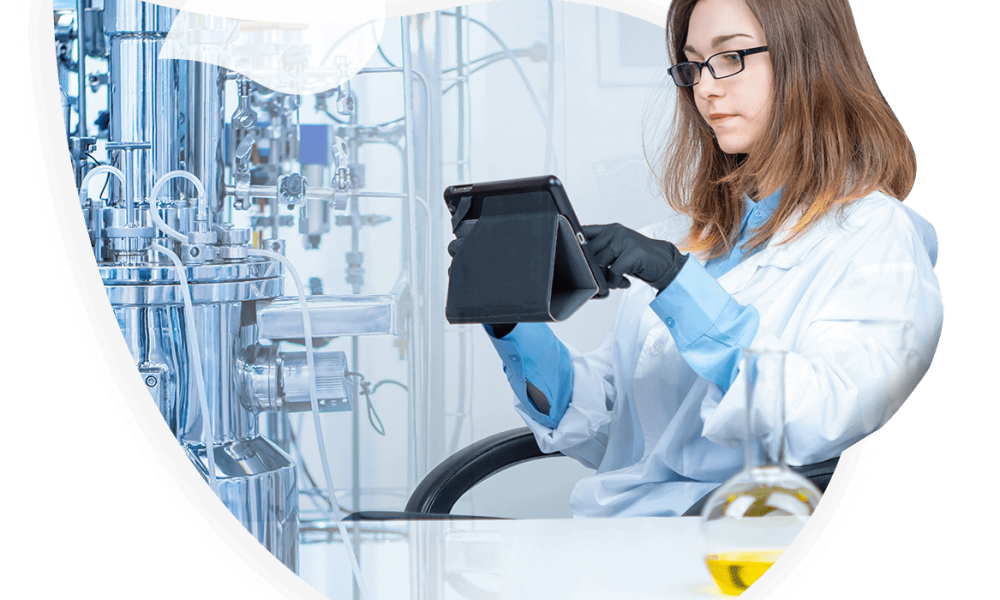
By replicating milk-producing cells of humans, an Israeli start-up is developing a sustainable breastfeeding alternative to offer nutritional support to infants.
Wilk develops technologies for producing cell-based milk secreted from mammary epithelial cells, which are found in the mammary glands of both humans and animals. After collecting the mammary gland tissue, the milk-producing cells are isolated from other cells. By creating an ideal and controlled environment, the company then grows cells in a bioreactor and use them to produce sterile, safe, personalised milk ingredients.
In 2021 the Israeli food tech went public on the Tel Aviv Stock Exchange (TASE), becoming the world’s first publicly traded cell-based milk company. Their aim is to help those women who are unable to breastfeed and create an environmentally friendly alternative to animal dairy.

“Breast milk can affect your mind, your brain development, your neuronal development and basically change your behaviour,” says Dr Nurit Argov-Argaman, the company’s CTO from the Department of Animal Sciences at Hebrew University of Jerusalem. “So the best way to feed babies is with their mother’s milk.
“But, there is no technology right now, that can really mimic the complexity of breast milk in terms of the values that it provides. Not just its nutritional values, but also its bioactivities that are very hard to replicate or replace with other foods.
“With our products, we want to deliver a similar alternative to milk compared to what is available right now. Because this is going to be the next generation of breastfeeding without women and we want to support families and communities in bringing the infant formula world much closer to the real thing.”
As an animal scientist, Argov-Argaman has been working on milk, breastfeeding and lactation since 2006 and during this time, she and her team have learned a lot about the challenges of both breastfeeding and the dairy industry as a whole.
“We asked ourselves how we could utilise and leverage our studies in order to improve infant nutrition and make a difference,” she says.
“When I started, the studies and most of the data on mammary glands collected from the lab were very biased towards developments and pathologists. On the other hand, there was a lot of data on milk, as a raw material. So lactation and culturing cells from mammary glands in order to produce milk were things that we couldn’t find [in previous studies].
“This was probably the main obstacle that we had to work around because we needed to find and stabilise the system in order to come up with the technology [of utilising mammary epithelial cells] that we use today,” the CTO explains.
With a growing population estimated to hit 8.6 billion by mid-2030, sustainability and environmental impacts are issues that have to be considered carefully.
“We need to think about the price the environment is paying and how we can reduce and cut greenhouse gas emissions,” thinks Dr Argov-Argaman. “It’s obvious that we will not be able to count only on the traditional dairy manufacturing practices, so we will have to have other alternatives.”
Wilk’s aim is to produce a variety of proteins and components all at once by using the same system. In other words, it can be described as a B2B company that cultivates specific milk ingredients and components that can be then delivered and incorporated in the products of the infant formula industry and the dairy industry.
Dr Argov-Argaman says that: “The easiest way to think about this is by looking at the vegan dairy alternatives. They have usually lower nutritional value, so the texture, the taste and even the way it looks like are not comparable to real dairy products.
“So we can provide our components to the industry in order to improve their products. These ingredients are from a non-animal production system and can be easily incorporated into a vegan alternative, keeping the product vegan and animal-free. The same thing would happen to breast-milk substitutes.”
The company is in its early stages, but the world is getting closer and closer to seeing this technology being widely used. Wilk has already partnerships with one of the biggest dairy companies in Israel and is currently working at expanding them further.
“We’re targeting the most expensive unique, bioactive components, not in terms of the price, but in terms of the nutritional value and the effects they have on the health of the consumer, from infants to kids and adults,” the CTO adds.
So what is she hoping to see in the next fiver years?
“I think we’ll have more capabilities to increase the efficiency of our system and to approach specialised food ingredients. Our dream is to really have an impact on kids and infants because this is close to everybody’s heart and sure, and everybody can get it.
“But we also hope to make a difference for the adults and elderly people out there by offering affordable and high-quality food. All this will be down the road.”

Newsletter
Sign up for free weekly updates
The latest femtech news, research and investment, straight to your inbox.




